Student safaris in Uganda are affordable, educational, and adventurous trips designed specifically for learners. They feature iconic locations like Bwindi Impenetrable National Park for gorilla trekking, Queen Elizabeth National Park for tree-climbing lions, and Jinja for adventure sports. These safaris serve as massive outdoor classrooms. They combine conservation, geography, and cultural immersion.
The Living Classroom: Why Uganda is Perfect for Students
Uganda is famously called the “Pearl of Africa”. It offers an unparalleled mix of different environments in a small area. Students can move from high-altitude glaciers in the Rwenzori Mountains to deep tropical rainforests and vast savannah plains.
This incredible variety allows student groups to study multiple subjects in the field:
- Geography: Tracking geological formations, river systems, and the famous Rift Valley.
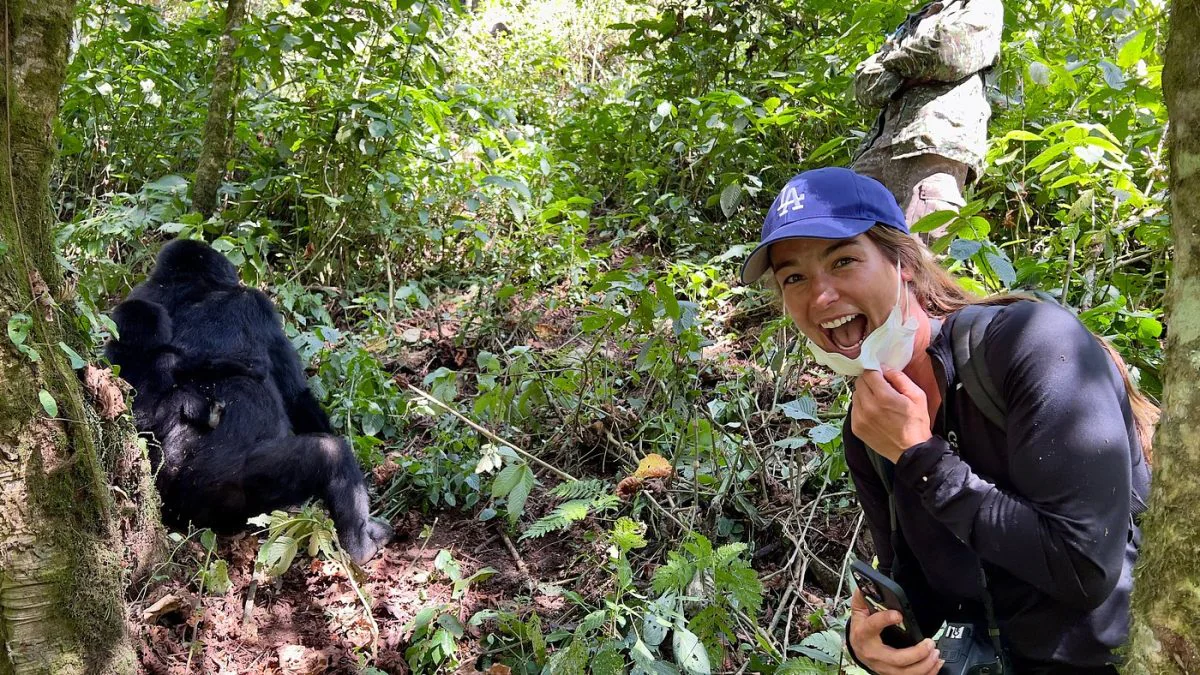
- Primatology: Observing endangered mountain gorillas and chimpanzees in their natural homes.
- Biology: Identifying over 1,000 bird species and countless mammals across distinct vegetation zones.
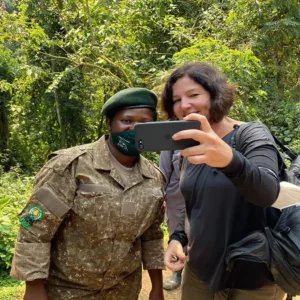
- Conservation: Learning how eco-tourism directly protects endangered wildlife from park rangers and local experts.
Top Destinations for Student Groups
1. Murchison Falls National Park
Located in northwestern Uganda, this is the country’s largest national park. Students will get to see the famous Murchison Falls, where the world’s longest river forces its way through a narrow gorge.
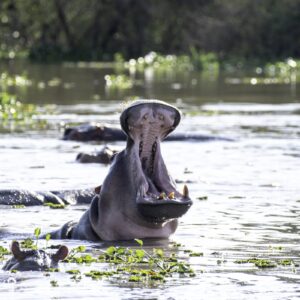
- Wildlife Viewing: Hippos, crocodiles, giraffes, lions, and elephants.
- Educational Activity: Launch trips to the bottom of the falls and game drives.
- En-route learning: Stopping at Ziwa Rhino Sanctuary allows students to track white rhinos on foot.
2. Queen Elizabeth National Park
This park provides a classic savannah ecosystem paired with unique geographical features.
- Wildlife Viewing: Tree-climbing lions in the Ishasha sector, huge herds of elephants, and buffalos.
- Educational Activity: Boat cruises along the Kazinga Channel offer unmatched bird watching and crocodile viewing.
- Geology: The park features deep volcanic craters and volcanic lakes worth studying.
3. Bwindi Impenetrable National Park
A UNESCO World Heritage site, this ancient forest is a bucket-list destination for many biology and ecology students.
- Wildlife Viewing: More than half of the world’s remaining mountain gorillas live here.
- Educational Activity: Guided gorilla trekking and intense, hands-on forest nature walks.
4. Kibale National Park
Known as the primate capital of the world, Kibale is a must-visit for students of zoology.
- Wildlife Viewing: Over 1,500 chimpanzees, plus red colobus monkeys and L’Hoest’s monkeys.
- Educational Activity: Chimpanzee trekking and observing primate behavior.
5. Jinja (The Source of the Nile)
For students looking to combine academic studies with adventure and teambuilding, Jinja is the ultimate hub.
- Geography: Exploring the true source of the River Nile.
- Adventure Activities: White-water rafting, quad biking, and bungee jumping.
Budget-Friendly Strategies for Student Safaris
Many students worry that an African safari is too expensive. However, student safaris in Uganda are highly customizable and can easily be tailored to fit tight budgets.
Here are a few ways to cut costs without missing out on the learning experience:
- Travel in Groups: Group travel drastically lowers the per-person cost of safari vehicles, guides, and accommodations.
- Choose Overland Budget Safaris: Opting for overland trucks, camping, or staying in basic budget lodges can keep daily expenses down.
- Visit during the Low Season: Traveling during the rainy seasons (like April, May, and November) often yields lower prices on accommodations and fewer crowds.
- Check Permit Discounts: East African citizens and foreign residents may qualify for heavily discounted park entrance and gorilla trekking fees compared to foreign non-residents.
Cultural Immersion and Community Service
A true student safari in Uganda goes beyond wildlife. Educational tours frequently incorporate community-based tourism and volunteering. Student groups often participate in the following:
- Homestays: Living with local rural families to experience traditional Ugandan daily life.
- Community Visits: Engaging with local Batwa communities near Bwindi to learn about their ancestral forest life and cultural heritage.
- School Exchanges: Interacting with Ugandan students, sharing meals, and learning about the local education system.
- Craft Markets: Visiting local fish and craft markets to learn about fair trade and local commerce.
How to Plan and Book an Educational Safari
Planning a successful educational trip requires working with a local tour operator who specializes in academic and student groups. Reputable operators can help organize everything safely and efficiently.
When starting the booking process, you should reach out to specialized agencies like Muganzi safaris to request a custom itinerary.
Be prepared to provide your operator with the following details to get an accurate quote:
- The age and academic level of your students: (e.g., high school biology students vs. university geography majors).
- The total number of travelers: (including teachers and group leaders).
- Your total budget per person: (allowing operators to suggest the best lodges and transport methods for your price range).
- Desired activities and trip duration: (e.g., a mix of Jinja adventure activities, gorilla trekking, or a 7-day wildlife loop).
By planning ahead, student groups can experience the vibrant landscapes and rich ecology of the Pearl of Africa in an affordable, eye-opening way.
If you are planning an upcoming trip, contact us.
- What is the number of students in your group?
- What is the main subject of study (e.g., biology, geography, or teambuilding)?
- What is the duration of the trip you want to organize?
Muganzi safaris team will help draft a custom itinerary tailored to your group!