
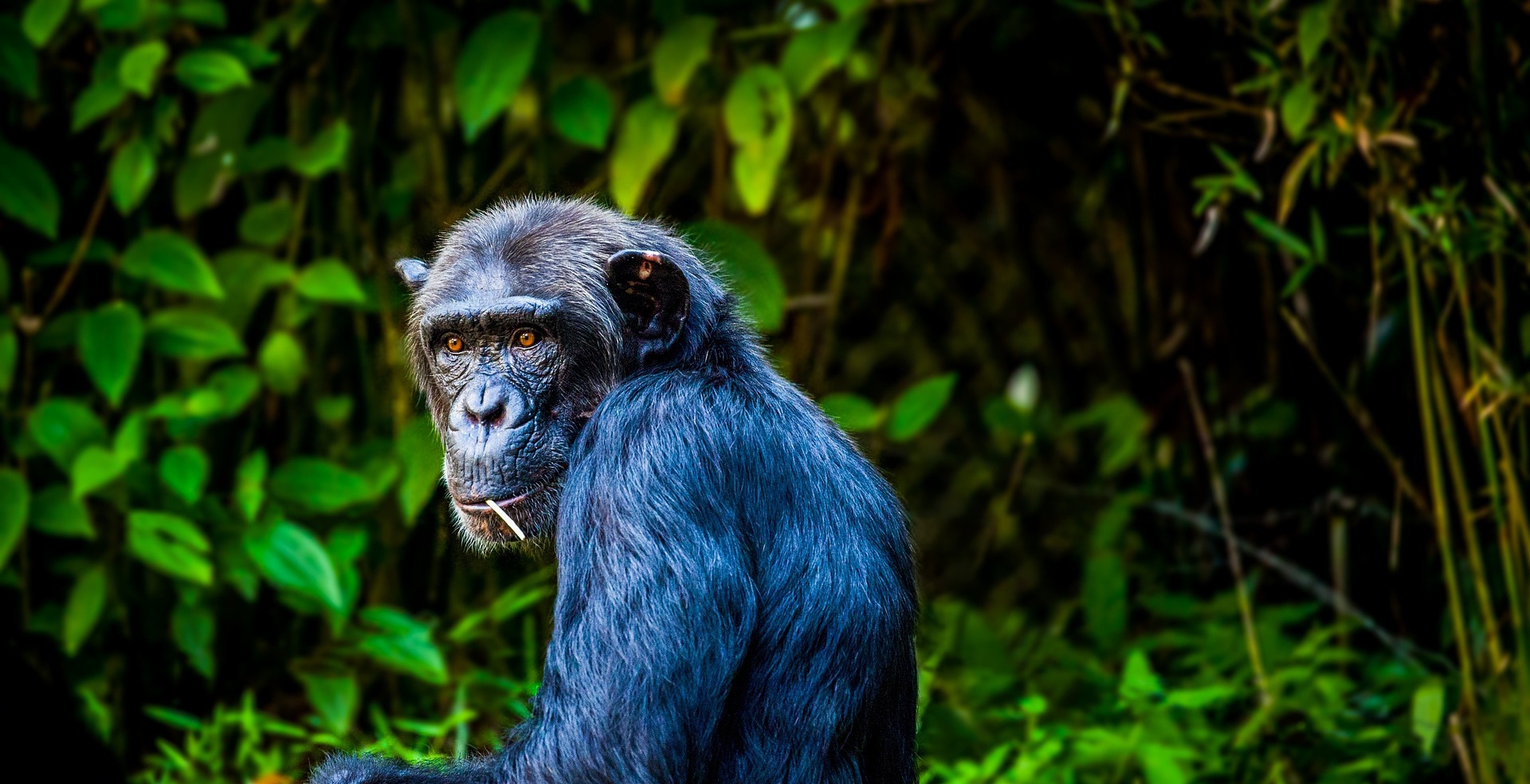
Kibale Forest National Park is Uganda’s premier eco-tourism destination and is famously known as the “Primate Capital of the World”. Spanning 795 square kilometers, the park is home to over 1,500 wild chimpanzees and 13 distinct primate species, making it an essential stop on any East African safari.
The Ultimate Tourist Guide to Kibale Forest National Park
Kibale Forest National Park is a jewel in Uganda’s tourism crown. Located in western Uganda, east of the Rwenzori Mountains, this lush expanse of tropical rainforest offers travelers a deep, immersive dive into some of the most pristine wilderness remaining in East Africa. Whether you are an avid wildlife photographer, an enthusiastic birder, or a nature lover looking to understand our closest living relatives, Kibale provides an unmatched, highly engaging travel experience.
Why Visit Kibale Forest? (The “Primate Capital”)
Kibale boasts the highest concentration and diversity of primates in all of Africa. Within its borders, 13 unique primate species thrive under the dense, protected forest canopy. The star attraction is undoubtedly the chimpanzee. The park shelters a robust population of over 1,500 chimpanzees, divided into habituated communities that allow tourists to observe them safely and respectfully in their natural habitat.
Aside from chimpanzees, visitors can regularly spot other fascinating monkeys, including:
Red colobus monkeys: An endangered, highly social species.
L’Hoest’s monkeys: Rare, primarily ground-dwelling primates.
Uganda mangabeys: Uganda’s only endemic monkey species.
Black-and-white colobus: Striking, long-tailed canopy dwellers.
Olive baboons: Omnivorous and highly adaptable primates.
Top Things to Do and See
The opportunities for adventure and wildlife viewing are vast. Visitors can choose from a variety of expertly guided experiences tailored to different interests and activity levels.
Standard Chimpanzee Trekking
This is the flagship experience of Kibale. Treks depart daily from the Kanyanchu Visitor Centre at 8:00 AM, 11:00 AM, and 2:00 PM. Led by expert Uganda Wildlife Authority (UWA) guides and trackers, you will hike through the verdant undergrowth in search of our genetic cousins. Once located, you are allowed one hour to observe them forage, interact, socialize, and care for their young. Standard chimp permits cost roughly $250 USD for foreign non-residents and are easily booked through licensed tour operators or directly with the Uganda Wildlife Authority.
Chimpanzee Habituation Experience (CHEX)
For a deeper, more immersive dive into primatology, the CHEX is unparalleled. Instead of just one hour, this full-day adventure allows visitors to accompany researchers and park rangers into the forest as they work to habituate new wild chimpanzee groups. You spend the entire day—from when the chimps leave their nests at dawn to when they build new ones at dusk. This premium experience is strictly limited to four people per group, ensuring an intimate and highly educational encounter.
Guided Forest Hikes and Nature Walks
If you want to stretch your legs away from the primary chimp trails, the park offers extensive half-day and full-day nature walks starting from Kanyanchu or Sebitoli. These hikes allow you to explore pristine lowland and pre-montane tropical forests, spot colorful butterflies, identify rare medicinal plants, and discover the hidden wonders of the ecosystem.
Nocturnal Forest Walks
When the chimpanzees rest for the night, a completely different cast of creatures takes over the forest. Night walks involve exploring the darkened park with powerful spotlights and an experienced guide. You will have the chance to spot elusive nocturnal animals such as:
Pottos: Small, slow-moving primates.
Bushbabies: Famous for their wide eyes and leaping abilities.
Tree hyraxes: Known for their chilling, eerie nighttime calls.
Civets and serval cats: Fascinating, rarely seen predators.
Bigodi Wetland Sanctuary
Located just 5 kilometers outside the park, the Bigodi Wetland Sanctuary is a community-driven initiative that offers exceptional grassroots eco-tourism. A guided walk through this lush jungle swamp presents fantastic opportunities to see several primate species, spot hundreds of bird species (including the great blue turaco), and directly support local community development.
Bird Watching (Birding)
Kibale is a recognized birding paradise, boasting over 375 recorded bird species. Birdwatchers flock here to spot forest specialists and Albertine Rift endemics, such as the Nahan’s francolin, Cassin’s spinetail, and the stunning blue-headed bee-eater.
The Best Time to Visit Kibale Forest
Kibale National Park is a year-round destination; however, the optimal time for a safari is during the drier months: December through February and June through September. During these periods, rainfall is significantly lower, which makes the forest trails drier, less muddy, and much easier to navigate. Additionally, the vegetation is generally shorter, allowing for clearer, unobstructed views of the chimpanzees and monkeys.
Even if you visit during the rainy season, chimpanzee trekking still maintains a 95%+ success rate, as the chimps’ movements are well-monitored by the park’s tracking teams. The rainy seasons also bring out vibrant forest flowers and lush, dramatic photography opportunities.
Accommodation Options: Where to Stay
Kibale features a range of excellent accommodation options tailored to every traveler’s budget, style, and preference. Many are built on the ridges above beautiful crater lakes or along the borders of the forest. Popular choices include:
Luxury: Primate Lodge Kibale (offers luxurious, eco-friendly forest cottages directly inside the park) or Ndali Lodge (stunning views over the surrounding volcanic crater lakes).
Mid-range: Kibale Forest Camp or Isunga Lodge (perfect for comfortable tented rooms and beautiful verandahs).
Budget: Chimpanzee Guesthouse or Rwebere Lodge (excellent value, offering clean, comfortable rooms close to the park entrance).
How to Get There
Kibale National Park is located in western Uganda, approximately 314 kilometers (about 5 to 6 hours by road) from the capital city, Kampala. The most common and scenic driving route runs via the Kampala-Mubende-Fort Portal highway, taking you past rolling green hills and large tea plantations.
For a more time-efficient journey, many luxury travelers charter or take a commercial flight from Entebbe International Airport or Kajjansi Airfield to Kasese Airport. From Kasese, the park is about a 1.5 to 2-hour scenic drive away.
Top Tips for a Successful Chimp Trek
To ensure your experience is comfortable and memorable, it is important to prepare correctly for the dense rainforest environment.
Book in advance: Chimpanzee permits are in high demand and limited in supply. Book several months in advance to secure your ideal dates.
Dress for the jungle: Wear long-sleeved shirts and long trousers to protect your skin from scratches, stinging nettles, and biting insects.
Wear proper footwear: Invest in sturdy, comfortable, and waterproof hiking boots with excellent grip for steep and muddy sections of the trail.
Pack waterproof gear: Carry a high-quality rain jacket or poncho, as rain can be unpredictable in the tropical rainforest.
Bring a daypack: Include insect repellent, sunscreen, sunglasses, a camera with extra batteries, and binoculars.
Stay hydrated and energized: Bring a reusable water bottle and energy-boosting snacks to keep your stamina up during the 2- to 5-hour trek.
Conservation and the Community
Visiting Kibale Forest goes beyond mere sightseeing; it is an active contribution to global conservation and community development. The presence of tourism has successfully deterred logging and agriculture within the park’s boundaries. Furthermore, programs managed by the Uganda Wildlife Authority actively combat human-wildlife conflicts through sustainable measures like planting deterrent crops, digging trenches, and investing in local livelihood projects.
By participating in community-guided walks in Bigodi, purchasing local crafts, and paying your park and permit fees, you are directly investing in the preservation of one of the world’s most breathtaking ecological treasures.
If you are planning an itinerary to Kibale and want to maximize your time in the “Pearl of Africa,” please let me know:
Your target dates and duration of stay?
Whether you prefer budget, mid-range, or luxury lodges?
Muganzi Safaris can help you build a personalized and detailed safari schedule!