
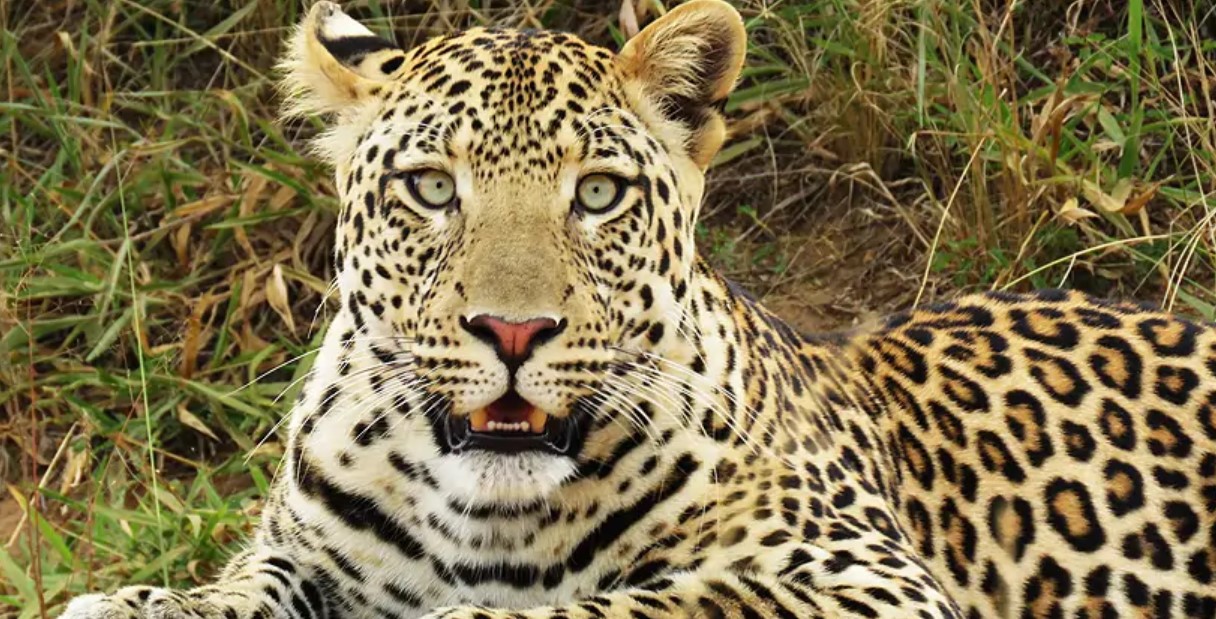
Queen Elizabeth National Park (QENP) is Uganda’s most popular and biologically diverse safari destination. Spanning the equator in western Uganda, the park encompasses savannas, lush wetlands, and volcanic craters. It is famous for tree-climbing lions, massive elephant herds, 600+ bird species, and the Kazinga Channel boat cruise.
Why Queen Elizabeth National Park is a Must-Visit
Often referred to as Uganda’s “Medley of Wonders,” Queen Elizabeth National Park (QENP) is a cornerstone of any East African safari. Stretching over 1,978 square kilometers across the districts of Kasese, Kamwenge, Rubirizi, and Rukungiri, the park boasts a breathtaking mosaic of habitats. From endless savanna grasslands to dense tropical forests, sparkling crater lakes, and the swampy shores of the Kazinga Channel, QENP offers incredible biodiversity.
Established in 1952 as Kazinga National Park, it was renamed in 1954 to commemorate a visit by Queen Elizabeth II. Today, it remains the most visited national park in Uganda, drawing nature lovers, bird watchers, and thrill-seekers alike.
The Geography and Ecosystems of QENP
One of the defining features of Queen Elizabeth National Park is its incredible variation in terrain. The park is nestled against the dramatic backdrop of the Rwenzori Mountains (the fabled “Mountains of the Moon”), which provide vital streams that feed the park’s waterways.
The park spans several distinct ecological zones:
- Savanna Plains: Open, grassy plains dominate the Kasenyi and Ishasha sectors, creating perfect hunting grounds for big cats and grazing areas for large herbivores.
- Wetlands and Channels: The Kazinga Channel is a 32-kilometer natural waterway linking Lake George to Lake Edward.
- Volcanic Craters: The park features dozens of ancient, inactive volcanic explosion craters. Some contain deep, serene crater lakes, while others are dry and covered in lush vegetation.
- Tropical Forests: The Maramagambo and Kalinzu forests extend through the southern and eastern parts of the park, offering a stark contrast to the open grasslands.
Iconic Wildlife: What to See in the Park
Queen Elizabeth National Park is home to 95 species of mammals and an astounding 606 species of birds. For wildlife enthusiasts, this makes it one of the most rewarding safari destinations on the continent.
Perhaps the most famous residents of QENP are the tree-climbing lions found in the remote southern Ishasha sector. Unlike lions in other parts of the world, these majestic predators have developed the unique habit of climbing up into large fig and acacia trees to rest during the heat of the day. Spotting a lion lounging in the branches is a bucket-list experience for many safari-goers.
2. The Kazinga Channel Hippos
The Kazinga Channel is home to one of the world’s largest concentrations of hippos. An estimated 2,000 hippos wallow in its shallow, nutrient-rich waters. Along the channel banks, you can also see massive numbers of Nile crocodiles, African bush elephants, and Cape buffaloes.
3. Elephants and Buffaloes
The park boasts a thriving population of African elephants (over 2,500) and thousands of Cape buffaloes. Visitors frequently spot large breeding herds making their way across the savanna or gathering at waterholes to drink.
4. Antelopes and Other Mammals
The Kasenyi plains are famous for being the primary breeding ground for the Uganda kob. Thousands of these elegant antelopes graze the grasslands. Other mammals roaming the park include waterbucks, bushbucks, warthogs, giant forest hogs, leopards, and spotted hyenas.
5. Primates
While not its primary focus, QENP offers excellent primate viewing. Kyambura Gorge is a steep, forested canyon cut through the savanna, where visitors can track wild chimpanzees. The Maramagambo Forest is also home to chimpanzees, vervet monkeys, red-tailed monkeys, and olive baboons.
6. A Bird Watcher’s Paradise
Ranking as one of the top birding destinations in Africa, QENP records over 600 species of birds. Habitats range from open waters to dense woodlands, attracting everything from the iconic Shoebill Stork and African Fish Eagle to the vibrant African Skimmer, Malachite Kingfisher, and thousands of migratory waterbirds.
Top Tourist Activities in Queen Elizabeth National Park
To truly experience “Queens,” visitors can partake in a wide variety of organized activities tailored to both adventure seekers and those looking for a relaxing wildlife retreat.
1. The Kazinga Channel Boat Cruise
The 2-hour boat cruise along the Kazinga Channel is often cited as the highlight of any visit to QENP. Departing from the Mweya Peninsula, these launch cruises offer unparalleled, up-close views of hippos, crocodiles, elephants, and hundreds of bird species drinking right at the water’s edge. It is a highly accessible and relaxed way to view a massive concentration of African wildlife.
2. Classic Game Drives
Game drives are conducted in specialized 4×4 safari vehicles with pop-up roofs, providing unobstructed views of the savanna. The best areas for game viewing include the Kasenyi Plains (known for lions and Uganda kobs) and the Ishasha Sector (famous for tree-climbing lions). Morning game drives are best for catching predators active before the sun gets too hot, while evening drives can offer spectacular sunset photography and a chance to spot nocturnal animals.
3. Chimpanzee Trekking in Kyambura Gorge
Sometimes referred to as the “Valley of Apes,” Kyambura Gorge is an emerald-green forest oasis that plunges 100 meters into the rift valley floor. Guided treks into the gorge provide an exciting, adventurous hike to find habituated chimpanzees. This adds a fantastic rainforest primate experience to an otherwise savanna-focused safari.
4. Guided Nature Walks
For those who want to get out of the safari vehicle, guided nature walks are available in various locations, including the Maramagambo Forest and the Mweya Peninsula. These walks allow visitors to explore smaller ecosystems, track smaller wildlife on foot, and learn about the diverse flora, butterflies, and insects of the park.
5. Experiential Tourism
The Uganda Wildlife Authority (UWA) offers “experiential” activities that give visitors a hands-on role in conservation. You can join park researchers and biologists on lion and mongoose tracking excursions, which involve using radio-tracking collars to locate the animals. This provides a deeply educational and highly interactive wildlife experience.
6. Crater Lake Drives and Explosions
The Katwe Explosion Craters are a striking visual spectacle. A scenic drive along the rim of these ancient volcanic craters offers panoramic views of the entire park, the Rwenzori Mountains, and the deep blue crater lakes.
7. The Equator Experience
Queen Elizabeth National Park straddles the equator line. There are monuments marking the exact point where the latitude hits zero degrees. Visitors love taking photos at the equator line, and there is a lovely pavilion and visitor center where you can grab coffee and souvenirs.
Cultural Encounters and Community Tourism
Queen Elizabeth National Park is not just a protected wilderness; it is deeply intertwined with the lives of local communities. Community-based tourism initiatives allow travelers to immerse themselves in local Ugandan culture while directly supporting the people living around the park.
1. Lake Katwe Salt Works
Located within the volcanic crater area, Lake Katwe is a shallow saltwater lake that has been the site of traditional salt mining for centuries. Visitors can take a guided tour to see how local miners (both men and women) stand in the knee-deep, salty water to harvest raw salt. It is a harsh but fascinating traditional industry that supports the local community.
2. Kikorongo Women’s Community
Near the equator, the Kikorongo community offers cultural workshops where visitors can learn traditional basket weaving, paper bead making, and even traditional dance and drumming. Participating in these activities offers authentic cultural exchange and provides direct income to rural families.
3. Village and Farm Walks
Several tour operators and community groups offer guided village walks. You can visit rural homesteads, learn about traditional medicinal herbs, and see how local farmers produce and prepare traditional Ugandan foods.
Planning Your Safari: Best Time to Visit and Logistics
Timing your safari correctly can greatly enhance your overall experience. Understanding the logistics of park fees, getting there, and where to stay will ensure a smooth, unforgettable trip.
When to Visit
Queen Elizabeth National Park can be visited year-round, but the best wildlife viewing occurs during the dry seasons:
- January to February: A short dry season that offers excellent wildlife viewing.
- June to September: The long dry season is widely considered the best time to visit. The weather is generally sunny and dry, and animals tend to congregate around water sources like the Kazinga Channel, making them much easier to spot.
- March to May & October to November: These are the wet seasons. The park is remarkably green and beautiful, but heavy rains can make roads muddy and game viewing slightly more challenging. However, bird watching is exceptional during these months due to the influx of migratory species.
Park Entry Fees
The Uganda Wildlife Authority manages the park, and entry fees apply for all visitors. As of recent UWA tariffs, a 24-hour park entrance fee is typically around $40 USD for foreign non-residents, $30 USD for foreign residents, and 20,000 UGX for East African citizens. Boat cruise excursions on the Kazinga Channel carry an additional separate fee (roughly $30 USD for foreign non-residents).
How to Get There
QENP is located in southwestern Uganda and is accessible both by road and by air:
- By Road: The drive from Kampala or Entebbe takes about 5 to 6 hours. The route via Masaka and Mbarara is scenic and generally well-paved, passing directly through the Equator. Self-drivers should use 4×4 vehicles.
- By Air: For a more luxurious and quick transfer, scheduled and chartered flights can take you from Entebbe International Airport or Kajjansi Airfield to local airstrips near the park, such as Kasese, Mweya, or Ishasha.
Where to Stay
Accommodation in and around QENP caters to every budget and travel style, ranging from high-end luxury lodges to rustic tented camps.
- Luxury: Mweya Safari Lodge is a renowned, upscale lodge perched on the Mweya Peninsula, offering stunning views of the Kazinga Channel. Another top luxury choice is Ishasha Wilderness Camp, nestled in the southern sector among the tree-climbing lions.
- Mid-Range: Elephant Plains Lodge, Kasenyi Safari Camp, and Kyambura Gorge Lodge provide comfortable, scenic, and eco-friendly stays that put you right in the heart of nature.
- Budget: Travelers on a budget can enjoy excellent facilities like The Queen Elizabeth Bush Lodge or Simba Safari Lodge, which offer comfortable bandas and well-maintained campsites.
The Importance of Conservation and Sustainability
When you visit Queen Elizabeth National Park, your tourism dollars directly support conservation. The park faces various challenges, including human-wildlife conflict and poaching. Organizations like the Uganda Wildlife Authority, along with local and international conservation groups, are actively working to protect the park’s biodiversity.
Anti-poaching patrols ensure the safety of wildlife, while community initiatives help local farmers protect their crops without harming animals. By practicing responsible tourism—such as maintaining safe distances from animals, respecting park rules, and engaging with community projects—visitors play an important role in preserving this ecological treasure for future generations.
Conclusion: A Destination That Stays With You
Queen Elizabeth National Park is far more than a typical tourist destination. It is a vibrant, living story of Earth’s natural history and resilience. Where else can you watch thousands of hippos wallow along a water channel, photograph tree-climbing lions resting in a giant fig tree, hike through an underground gorge to meet chimpanzees, and stand with one foot in the northern hemisphere and the other in the southern?
Whether you are a passionate birder, a thrill-seeking trekker, or a wildlife photographer looking for the perfect shot of an African bush elephant, QENP offers an adventure tailored to your desires. A safari in Queen Elizabeth National Park leaves visitors with awe, wonder, and a profound appreciation for the natural world, ensuring memories that last a lifetime.
Ready to Plan Your Uganda Safari?
Could you share how many days you plan to spend in Uganda and what specific activities (like chimpanzee trekking or the Kazinga boat cruise) you are most excited about?
If you let me know, I can help you:
- Draft a customized itinerary that matches your budget.
- Determine the best time to book your permits and lodges.
- Provide a checklist of essential items to pack for your African adventure