Uganda Low Season Discount for Gorilla and Chimp Permits
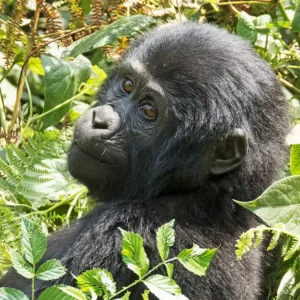
Travelers planning to experience Uganda’s primates now have an excellent opportunity to do so at a reduced cost. The Uganda Wildlife Authority (UWA) has introduced discounted permit rates during the low season, making gorilla and chimpanzee trekking more affordable while maintaining the same experience. The low season months are April, May, and November 2026. These price reductions offer significant savings for travelers seeking world-class wildlife encounters at lower costs.
Discounted Rates
The Gorilla trekking permit categories are as follows: Non-Foreign Resident for visitors who are not Ugandan citizens and do not hold permanent residence status, and Foreign Resident for visitors who reside in Uganda with valid residency permits. The Gorilla trekking permit, previously USD 800, is now USD 600 for Non-Foreign Residents and USD 500 for Foreign Residents. The chimpanzee permit at Kibale National Park is now USD 200 for Non-Foreign Residents and USD 150 for Foreign Residents, reduced from USD 200.
Additional Low Season Benefits
Beyond permit discounts, visitors can benefit from additional low season savings as some lodges and hotels may lower their accommodation rates during the low season period. This combination of reduced permit and lodging costs makes the overall trip more budget friendly. The low season also offers unique advantages, such as fewer visitors in the parks and less crowded trekking trails, creating a more intimate and peaceful wildlife experience.
Gorilla permits are easier to get, even at the last minute. The gorilla trekking experience, booking process, and regulations all remain the same. Travelers should note that low season permits are non-schedulable, so planning is recommended before booking. Full payment is required to reserve the permit.
Enjoy a quieter, greener, and more affordable adventure without compromising quality. Set your travel date, and we will help you plan your safari.
Contact us to book your Uganda gorilla trekking experience.
What are the Recommended Vaccines for Travelers to Uganda
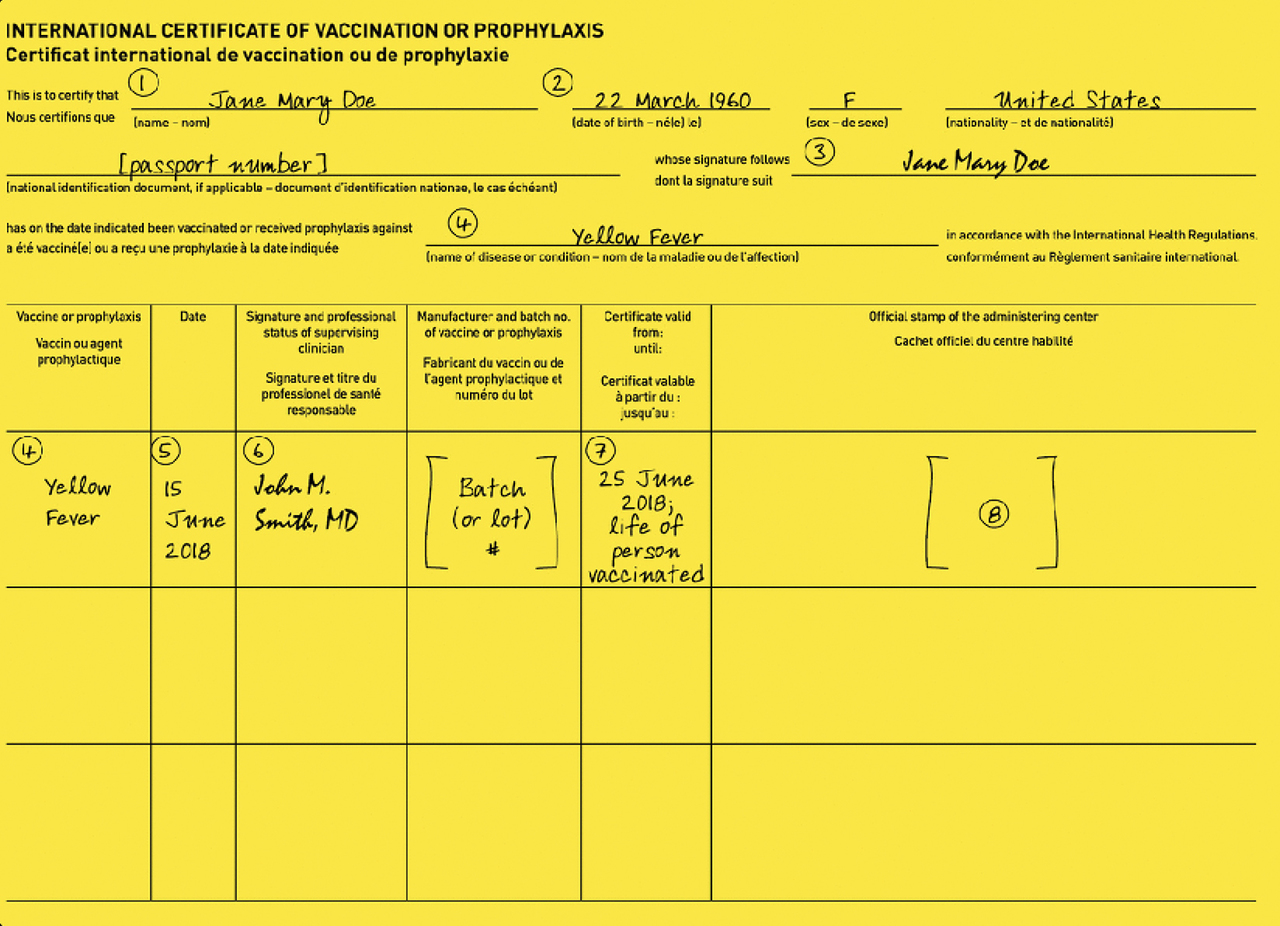
Mandatory Yellow fever vaccine
Proof of yellow fever vaccination is required for all travelers aged one year or older. International travelers should carry along the yellow fever Vaccination document. This is a must have before entry at Entebbe International Airport.
Other Vaccines to consider
COVID-19: COVID-19 restrictions have been lifted, but vaccination certificates may be required during outbreaks and in some public places, so it is important to verify current guidelines before travel.
Typhoid Vaccine: The recommended time to receive this vaccine is at least 2 weeks before travel. This vaccine is highly recommended for individuals traveling to congested and rural areas, especially those with poor sanitation.
Hepatitis A: An infection with Hepatitis A is contagious and spreads from one person to another through contact and eating contaminated food or drinks. For this reason, this vaccine is highly recommended for unvaccinated travelers aged one year or older.
Rabies Vaccine: Rabies is transmitted through bites from infected animals. The pre-exposure vaccine is crucial for any traveler planning to spend time with animals, and if one intends to spend time in rural communities where one can easily encounter stray dogs.
Cholera Vaccine: Some areas in Uganda get cholera outbreaks, especially during rainy seasons, more so if such areas have poor sanitation. The cholera vaccine is recommended for children and adults traveling to areas where there is a likelihood of exposure to unsafe food and water.
Hepatitis B Vaccine: This vaccine is recommended for unvaccinated travelers who may have exposure to blood and body fluids. Travelers who plan to undergo medical procedures and engage in sexual contact.
Malaria precautions.
Malaria is a life-threatening condition spread to humans by bites from infected female Anopheles mosquitoes found in tropical countries, including Uganda. It is advisable to discuss with your healthcare provider the need to take prophylactic medication depending on your health status. The timeframe depends on the type of drug being taken. The prophylactic medication can be taken a couple of days before travel and during the trip, so it is important to visit your healthcare provider 4-6 weeks before the trip. Your doctor will prescribe which malaria medication to take. The Centers for Disease Control and Prevention recommends drugs such as Atovaquone-proguanil, doxycycline, mefloquine, and tafenoquine.
It is advisable to sleep under a mosquito net, wear long sleeved shirts & trousers, and apply mosquito repellents to prevent mosquito bites.
Food and water Hygiene.
Unlike in Western countries, where tap water is considered safe for drinking, it is not the case in Uganda. The tap water may look clean, but it is not considered safe for drinking. Always consume bottled or boiled drinking water at all times during your stay in Uganda.
Ensure all meals are obtained from safe, hygienic places; limit or stay away from unhygienic street foods. Frequent handwashing is very crucial in preventing most of these illnesses and should be done in addition to the vaccinations received.
First Aid kit.
It is important to carry along the first aid kit, especially if you plan to travel to rural areas. Most well-equipped functional health facilities are in cities, and access roads may delay care due to poor road conditions in case of an emergency.