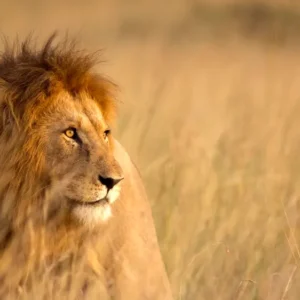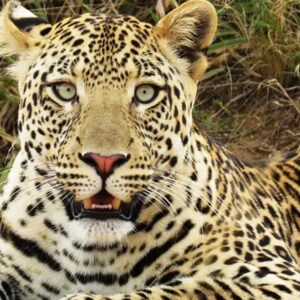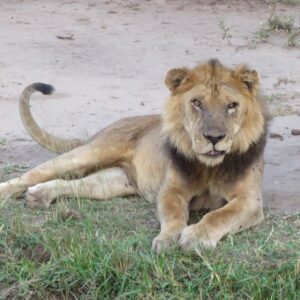

The tree-climbing lions of the Ishasha sector in Queen Elizabeth National Park, Uganda, are one of Africa’s most unique wildlife wonders. These rare big cats regularly lounge in the branches of fig and acacia trees. The region offers unparalleled safari experiences. You will escape the heat, avoid biting insects, and spot incredible prey.
The Ultimate Guide to Tree Climbing Lion Safaris in Ishasha, Uganda
Introduction to Ishasha
The Ishasha sector is located in the southern part of Queen Elizabeth National Park, connecting to the famous Bwindi Impenetrable National Park. It is an untouched, wild savannah. It provides a much more peaceful safari experience compared to other busy wildlife regions. While you can occasionally find these lions in Tanzania’s Lake Manyara National Park, Ishasha is the best place to guarantee sightings.
Why Do Ishasha Lions Climb Trees?
Animal experts have several theories about why these lions climb trees:
- Beating the heat: The branches catch cool breezes.
- Dodging flies: Trees keep lions away from annoying biting insects.
- Better views: High branches act as great spots to spy on prey.
What to Expect on Your Safari
A typical Ishasha safari features open savannah plains and thick riverine woodlands. You will spend your game drives looking up into the sprawling branches of sycamore fig and acacia trees.
Wildlife to Spot
Beyond the famous lions, your safari will allow you to see other beautiful animals:
- Uganda Kobs: The national animal and primary prey for the lions.
- Topi: Unique antelopes found roaming the grassy plains.
- African Elephants: Often seen taking mud baths along the riverbanks.
Best Time to Visit Ishasha
The dry seasons are generally the best times for wildlife viewing. Plan your trip between January to February or June to September. During these months, the park roads are easier to travel on. The grass is also shorter, making it much easier to spot lions in the trees. During the wet season, the vegetation grows very tall, and the wet bark makes climbing harder for the lions.
How to Get to Ishasha
You can access the Ishasha sector through two main travel methods:
- By Road: You can drive from Kampala through Mbarara, which takes about 8 to 9 hours. Many travelers combine this with a gorilla trekking trip in Bwindi.
- By Air: You can book a domestic flight from Entebbe to the nearby Kihihi or Kasese airstrips and take a short road transfer.
Tips for the Perfect Lion Safari
Follow these tips to make sure you have the best experience possible:
- Hire a local Uganda Wildlife Authority (UWA) guide for tracking.
- Bring good binoculars for spotting lions far in the distance.
- Pack insect repellent to keep biting bugs away.
- Wear neutral-colored clothing to blend in with nature.
Frequently Asked Questions
Are tree-climbing lions dangerous?
Yes, they are wild predators. Always remain inside your safari vehicle and follow all guide instructions.
Can I do a lion tracking experience in Ishasha?
Yes, certain areas offer lion tracking experiences where researchers allow you to follow collared lions.
Are the climbing lions different from normal lions?
Physically, they are exactly the same. The only difference is the unique climbing habit.
Conservation Efforts
The lions of Queen Elizabeth National Park face threats from human-wildlife conflict and habitat loss. Organizations like the Wildlife Conservation Society help protect these lions. They attach tracking collars to monitor the pride territories and remove snares. By visiting, your tourism dollars directly support the local economy and park conservation.
Conclusion
A tree-climbing lion safari in Ishasha is a must-do. It provides a magical wildlife experience you will never forget.
If you are ready to start planning your dream Uganda trip, Contact Muganzi Safaris
- What is your preferred travel month?
- What is your budget range for accommodations?
- Will you also be tracking gorillas in Bwindi?
Muganzi Safaris experts will help you build the perfect safari itinerary!