Spot hunting in Uganda encompasses two main outdoor activities: sport fishing for massive Nile Perch and Tilapia, and sport hunting for exotic antelopes and big game in the wilderness. Prime locations include Murchison Falls, Lake Victoria, and the Karamoja plains. This guide highlights top locations, species, and tips for hunting in the Pearl of Africa.
The Ultimate Guide to Spot Hunting in Uganda
Why Choose Uganda for Your Next Outdoor Adventure?
Uganda, known globally as the Pearl of Africa, is an emerging destination for outdoor enthusiasts seeking an unspoiled, raw wilderness experience. Unlike heavily commercialized destinations in southern Africa, Uganda offers low hunting pressure, incredibly diverse ecosystems, and the chance to combine terrestrial hunting with epic fishing and gorilla trekking. Whether you are casting a line into the waters of the River Nile or spot-and-stalking the elusive Sitatunga, Uganda offers an unforgettable golden-era safari experience.
Sport Fishing: Catching the Giants of the Nile
Uganda features some of the best freshwater fishing in the world. The country is interlaced with massive lakes and the longest river in the world, the Nile.
The Premier Fishing Locations
- Murchison Falls National Park: Undeniably the premier fishing destination in Uganda. The area around the Devil’s Cauldron offers a turbulent, nutrient-rich environment where massive fish thrive.
- Lake Victoria: Easily accessible from Entebbe, this lake is an expansive habitat for giant Nile Perch.
- Ssese Islands: An archipelago of 84 islands on Lake Victoria, providing excellent angling opportunities away from the crowds.
- Lake Mburo National Park: Offers serene and safe lake fishing with a high probability of spotting hippos, crocodiles, and plains wildlife while you fish.
Target Fish Species
- Nile Perch: The ultimate prize for sport fishermen in Uganda. They can grow to massive sizes, sometimes exceeding 100 kilograms. Casting large lures is the primary method used to catch them.
- Tiger Fish: Known for their aggressive nature and sharp teeth, providing a thrilling challenge for anglers.
- Tilapia: A popular catch on Lake Victoria and Lake Mburo, highly prized for its exceptional eating quality.
- Catfish: Can be found in various lakes and rivers and often reach significant sizes.
Sport Hunting: The Golden Era of African Safaris
While sport hunting (or trophy hunting) was paused for many years, it has been reintroduced under strict regulations. Today, it provides vital conservation benefits. It creates economic incentives for local communities to protect wildlife and their habitats, turning former poachers into expert guides and park scouts.
Top Hunting Concessions and Wildlife Reserves
- Karamoja Region: The Karamoja plains (including Pian Upe, Bokara, and Matheniko Wildlife Reserves) offer some of the most expansive and rewarding hunting grounds in the country.
- Aswa Lolim: A prime wildlife area in northern Uganda boasting high game density.
- Kafu River Basin: Famed for its papyrus belts and swamps, making it a hotspot for swamp-dwelling species.
Target Species and Unique Trophies
- East African Sitatunga: Often referred to as the “Ghost of the Swamp,” this elusive antelope is a highly sought-after trophy for experienced hunters.
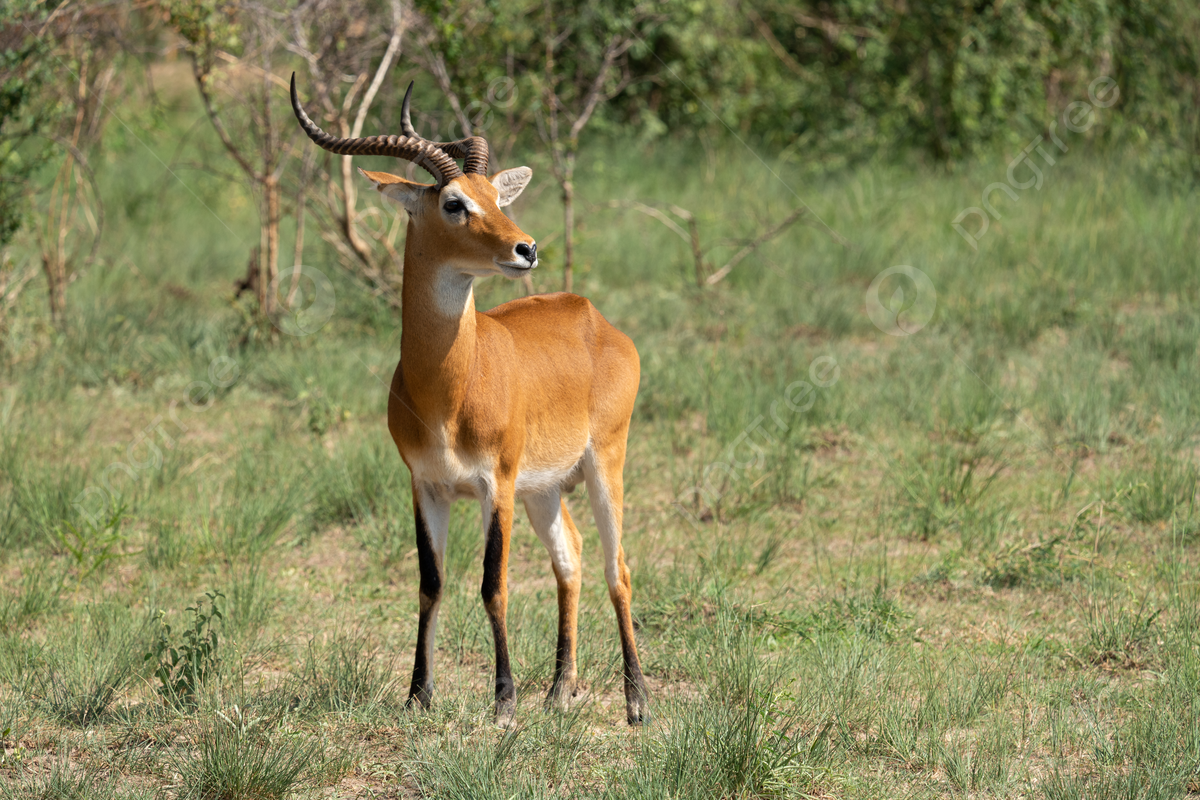
- Uganda Kob: A beautiful, reddish-brown antelope unique to this part of Africa. Spot-and-stalk hunting for the Kob is incredibly popular.
- Nile Buffalo: Much larger than their southern cousins, these buffalo offer a dangerous game experience.
- Jackson’s Hartebeest: A unique and beautiful antelope species found in specific reserves like Kabwoya.
- East African Impala: Uganda is home to impalas with some of the largest genetics in the world.
Essential Tips for a Successful Trip
Whether you are holding a high-caliber rifle or a heavy-duty fishing rod, preparation is key to a successful outdoor trip in Uganda.
1. Plan for the Right Season
While hunting and fishing are available year-round, the best results come during the dry seasons (December through April and June through September). During the dry months, vegetation is shorter, which makes spotting and tracking animals significantly easier.
2. Secure Permits and Licenses Ahead of Time
You cannot simply arrive and start hunting or fishing in Uganda. You must coordinate with licensed local outfitters or tour operators. For hunting, international visitors need import permits for their rifles and ammunition. Daily conservation fees also apply when operating in specific reserves or national parks.
3. Hire Licensed Local Guides
The most valuable asset in the Ugandan wilderness is local expertise. Professional outfitters employ experienced local guides who possess unmatched tracking skills and an intimate knowledge of the terrain and animal behavior. Supporting these professional guiding services contributes directly to local community development and sustainable tourism.
4. Gear Preparation
For fishing excursions, specialized equipment including powerful speed boats and modern, top-tier tackle is typically available for hire through lodges and tour operators. For hunting expeditions, it is essential to ensure all equipment is well-maintained and to pack appropriate clothing for a tropical climate. This includes durable, breathable fabrics and sturdy gear treated with insect repellent.
Conservation and Ethics in Modern Safari Hunting
Modern sport hunting and fishing in Uganda are structured around conservation principles. Strictly regulated quotas are established to maintain ecological balance, manage wildlife populations, and preserve vast natural habitats that might otherwise be converted for agricultural use.
A significant portion of the revenue generated from hunting and fishing licenses is allocated to local communities. This economic model provides a tangible incentive for residents to value and protect wildlife, effectively reducing illegal poaching activities and supporting long-term habitat preservation.
How to Book a Spot Hunting Adventure
Organizing a sport hunting or fishing trip in Uganda involves contacting specialized safari outfitters. These professionals manage the acquisition of government licenses, payment of park fees, provision of required escorts, and coordination of wilderness lodge accommodations. Given the logistics of operating in remote areas, planning several months in advance is recommended to ensure availability and proper support.
When narrowing down options for an outdoor adventure, travelers should consider:
- The preferred time of year for travel to align with seasonal wildlife movements.
- The primary interest, whether it be terrestrial hunting or river and lake angling.
Information regarding licensed operators and specific regional permits can be obtained through the Uganda Wildlife Authority or recognized professional hunting associations.