
Kitagata Hot Springs are famous, natural geothermal pools located in Sheema District, western Uganda. Known for their therapeutic waters and rich cultural history, the springs feature two distinct sites: Mulago (believed to have magical healing powers for ailments) and Eky’omugabe (historically reserved for the Ankole king).
The Magic of Kitagata Hot Springs: Uganda’s Natural Spa
Kitagata Hot Springs are an awe-inspiring natural wonder in southwestern Uganda. Millions of travelers seek out this hidden gem for its striking beauty and profound cultural importance. Located off the Ishaka-Kagamba road, the springs draw visitors from all over the world.
The site consists of two adjoining natural springs, both born from deep geothermal activity. These steaming pools reach temperatures of up to 80° C (176° F), providing a completely natural spa experience. Visitors come to soak, relax, and heal in mineral-rich waters.
If you are planning a journey to Uganda, Kitagata Hot Springs must be on your itinerary. Read on to discover everything you need to know about this spectacular destination.
What Are the Kitagata Hot Springs?
The name “Kitagata” translates to “warm place” in the local Runyankole language. The hot springs are split into two adjacent pools, each with its own fascinating history and purpose:
1. Mulago Hot Spring
Named after Uganda’s famous Mulago National Referral Hospital, this spring is considered a natural hospital by the locals. People flock to Mulago to soothe their bodies and minds.
Many locals and tourists believe the steaming waters can cure various physical ailments, including:
- Skin diseases
- Joint and muscle pains
- General exhaustion
Scores of people gather daily to bathe in the warm, restorative waters. Some visitors even collect the water in jerry cans to take home.
2. Eky’omugabe Hot Spring
Also known as the King’s Spring, this section was historically used by the Omugabe (King) of Ankole. The waters here are notably hotter than in the Mulago pool.
Locals often use the boiling sections of this spring to:
- Boil eggs
- Cook traditional millet porridge (Obushera)
The Cultural Significance and Myths
For centuries, the Kitagata Hot Springs have held deep spiritual and cultural value. The local communities surrounding the Sheema District treat the springs with high respect.
Many indigenous traditions emphasize that to fully benefit from the healing properties of the water, you must bathe without inhibition. While there are specific rules in place to maintain order and cleanliness, the cultural atmosphere remains deeply rooted in ancient traditions.
Many people view the springs not just as a tourist attraction, but as a sacred site of physical and spiritual cleansing. It is common to see hundreds of people visiting the springs to seek relief and give thanks for the natural bounty of their land.
Geological Marvels: The Science behind the Heat
To understand why the Kitagata Hot Springs exist, we must look at the unique geography of western Uganda. Situated in the Great Lakes region, the area is known for intense volcanic and tectonic activity.
The heat of the springs is generated by deep subterranean geothermal processes. Rainwater seeps deep into the earth’s crust, where it is heated by hot magma or hot rocks. The water then rises back to the surface under pressure, bubbling up through the earth’s surface at Kitagata.
Furthermore, the hot spring waters are loaded with therapeutic minerals, including:
- Magnesium chloride
- Potassium chloride
- Calcium sulphate
These minerals are believed to be the reason behind the water’s soothing effect on aching joints and irritated skin.
Health Benefits of the Natural Mineral Waters
Travelers and locals alike frequently report feeling physically rejuvenated after bathing at Kitagata. While scientific studies are still ongoing, many visitors swear by the holistic benefits of these mineral-rich baths.
Here is how the mineral waters may contribute to your wellbeing:
- Joint Pain Relief: The intense heat and minerals can reduce inflammation in swollen joints.
- Muscle Relaxation: Warm water soothes tense muscles, making it a great recovery tool after physical exertion.
- Skin Cleansing: The sulfur and other minerals can help clear up minor skin rashes and wounds.
- Stress Reduction: The natural, tranquil environment promotes mental relaxation and well-being.
The Visitor Experience: What to Expect
Visiting Kitagata Hot Springs offers an authentic, raw, and community-driven experience. Here is what you can expect when you arrive:
1. Free Access
Unlike many of Uganda’s national parks, which require strict entry fees, accessing the Kitagata Hot Springs is completely free. Visitors are welcome to use the hot springs as they please, making it a highly budget-friendly destination.
2. Community Atmosphere
The site acts as a bustling community hub. You will likely see locals, traditional healers, and international tourists sharing the same spaces. It is a fantastic place to interact with the warm and welcoming people of western Uganda.
3. Rules to Respect
To keep the springs clean and peaceful, several rules are enforced by the local community management committee:
- No soap allowed to prevent water pollution.
- No smoking or alcohol use at the site.
- Noise and fighting are strictly prohibited.
- Separate zones are often designated for men and women.
4. Breathtaking Scenery
The springs are surrounded by beautiful conical hills, lush valleys, and sweeping green vegetation. The drive to the location offers spectacular views of the Ugandan countryside.
How to Get to Kitagata Hot Springs
Reaching the hot springs is part of the adventure. Located in the Sheema District, the springs are a great stopover for anyone traveling through western Uganda.
The Best Time to Visit Kitagata Hot Springs
The hot springs are open year-round, and visitors flock to the site from dawn well into the night. However, weather patterns can affect your overall experience.
Uganda experiences distinct wet and dry seasons. The dry seasons (December to February, and June to August) are generally considered the best time for travel. During these months, the roads are easier to navigate, and the warm weather pairs perfectly with a relaxing soak in the springs.
During the heavy rainy seasons, nearby rivers like the Ngaromwenda or Birira may occasionally overflow. This floodwater can temporarily cool down the springs, making the water merely warm rather than hot. Always check the local weather before planning a trip for a steamy hot bath!
Exploring the Surrounding Region
Kitagata Hot Springs serves as an excellent gateway to some of East Africa’s most famous tourist destinations. If you are embarking on a Ugandan safari, be sure to include the springs on your travel route.
Here are some incredible nearby attractions:
Queen Elizabeth National Park
Located just a few miles from Sheema district, this world-famous park is home to the legendary tree-climbing lions, elephants, hippos, and over 600 bird species. After a dusty safari game drive, a dip in the Kitagata Hot Springs is the perfect way to unwind.
Bwindi Impenetrable National Park
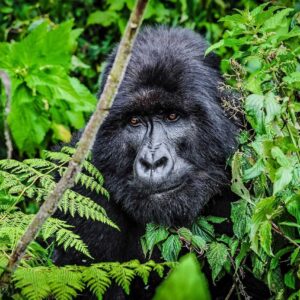
Famous for mountain gorilla trekking, Bwindi is a must-visit for nature enthusiasts. After a rigorous trek through the misty, dense rainforest, the soothing mineral waters of Kitagata provide an unparalleled post-trek reward.
Lake Mburo National Park
Located relatively close to the Mbarara axis, Lake Mburo is Uganda’s smallest savannah national park. It is a fantastic destination for walking safaris, horseback riding, and viewing zebras, impalas, and buffaloes.
Mgahinga Gorilla National Park
Situated further in the southwestern corner of Uganda, this park offers excellent hiking opportunities and the chance to see golden monkeys and mountain gorillas.
Eco-Tourism and Environmental Conservation
As the popularity of the Kitagata Hot Springs grows, environmental conservation has become a top priority. The surrounding wetlands and Keitembogo Swamp play a vital role in regulating the water levels and temperatures of the hot springs.
In recent years, community-led committees have been established to protect this precious natural resource from deforestation, cultivation, and waste. Efforts are continually being made to ensure that locals and tourists alike continue to respect the springs. By keeping the environment clean and preserving the wetlands, locals ensure the healing waters of Kitagata will remain for generations to come.
Travel Tips for Your Trip to Kitagata
To make the most out of your natural spa experience in Uganda, follow these practical travel tips:
- Pack Appropriately: Bring a towel, a change of clothes, and flip-flops. If you plan to take water home, bring a few clean jerry cans.
- Bring Cash: While the hot springs themselves are free, you will need cash for transportation, snacks, and any nearby accommodation.
- Dress Modestly: Although there are designated bathing areas, it’s always wise to have a cover-up for when you exit the water.
- Rent a 4×4 Vehicle: The roads off the main highway leading to the hot springs can be unpaved marrum roads. A reliable 4×4 vehicle is highly recommended, especially during the rainy season.
- Respect the Locals: Always interact respectfully with the local community. Ask permission before taking photos of people bathing.
- Combine Your Tour: Since the hot springs are on the route to major national parks, consider booking a combined tour with a registered Ugandan safari operator [Muganzi safaris].
Where to Stay Near Kitagata
Because Kitagata is a community-oriented rural destination, you won’t find large, luxury resorts right at the spring site. Instead, most visitors choose to stay in nearby towns which offer a range of accommodation options.
Ishaka Town
Ishaka is a bustling town located a short drive from the springs. It features several budget-friendly guesthouses, lodges, and motels suitable for travelers passing through.
Bushenyi Town
Located near Ishaka, Bushenyi provides more accommodation choices, including mid-range hotels, restaurants, and amenities for tourists.
Mbarara City
For a wider variety of luxury and mid-range hotels, Mbarara is an excellent base camp. Many travelers stay in Mbarara and take a day trip to experience the healing waters of Kitagata.
The Future of Kitagata Hot Springs
The tourism industry in Uganda is experiencing rapid growth, and the Kitagata Hot Springs are poised for development. Discussions are actively taking place between local town councils and the Ugandan tourism ministry.
These future developments aim to improve visitor facilities without compromising the site’s natural, cultural, and free access. Potential upcoming improvements include:
- Enhanced security for tourists and their belongings.
- Construction of modern hostels or eco-lodges.
- Improved sanitation facilities and clean water points
Despite these future modernization plans, the community is dedicated to preserving the raw, natural essence of the springs that locals have known and loved for decades.
Conclusion
Kitagata Hot Springs stands as one of Uganda’s most fascinating and unique hidden treasures. Whether you are a thrill-seeking traveler, a wellness enthusiast, or someone interested in the deep cultural traditions of the Ankole region, this destination promises an unforgettable experience.
From its geothermal origins and mineral-rich waters to its spectacular setting amidst the lush, rolling hills of western Uganda, Kitagata truly highlights the natural wonders of the Pearl of Africa. Make sure to include a relaxing soak in the waters of Mulago on your next Ugandan adventure!
Frequently Asked Questions (FAQs)
1. How much does it cost to enter Kitagata Hot Springs?
Visiting Kitagata Hot Springs is completely free of charge. There are no entry fees, making it a highly affordable tourist attraction
2. Can you drink the water from the hot springs?
While it is not standard advice for all tourists, many locals drink the water and use it to boil traditional meals, believing it contains healing properties. 3. Are there any health risks to bathing in Kitagata Hot Springs?
According to caretakers and locals, no outbreaks of disease have ever been traced to the springs, even though hundreds of people bathe there daily. However, visitors are advised to avoid getting steaming hot water in their eyes and to respect the “no soap” rules to keep the water clean.
4. What is the difference between Mulago and Eky’omugabe springs?
Mulago is the most popular spring, featuring moderate temperatures and serving as a natural spa for people seeking relief from body and skin ailments. Eky’omugabe is hotter, historically used by the Ankole king, and is now primarily used by locals to boil food and cook traditional Obushera (millet porridge).
5. What is the best time of year to visit the springs?
The springs are open 24 hours a day year-round. However, it is best to visit during the dry season (December to February and June to August) to enjoy the warmest water and the most comfortable travel conditions.
6. Can I visit Kitagata Hot Springs on a safari to Queen Elizabeth National Park?
Yes, absolutely! Kitagata Hot Springs is located just a few miles from Sheema district, making it an excellent stopover point for tourists traveling between Lake Mburo, Queen Elizabeth, and Bwindi Impenetrable national parks.
7. What should I pack for a trip to the hot springs?
Be sure to pack a towel, flip-flops, a change of clothes, and drinking water. If you want to carry some of the hot spring water home, bring along some clean empty jerry cans.
8. Where can I stay when visiting Kitagata Hot Springs?
While there are basic guesthouses in the nearby towns of Ishaka and Bushenyi, many tourists choose to stay in the larger city of Mbarara, which offers a wide variety of hotels and resorts.
If you are ready to start planning your dream Uganda trip, Contact Muganzi Safaris
- What is your preferred travel month?
- What is your budget range for accommodations?
- Will you also be tracking gorillas in Bwindi?
Muganzi Safaris experts will help you build the perfect safari itinerary!