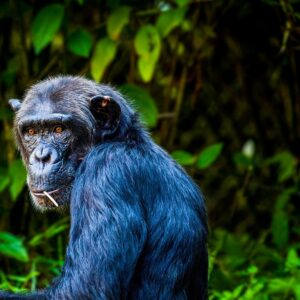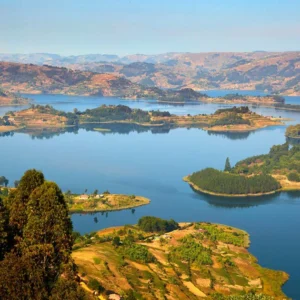
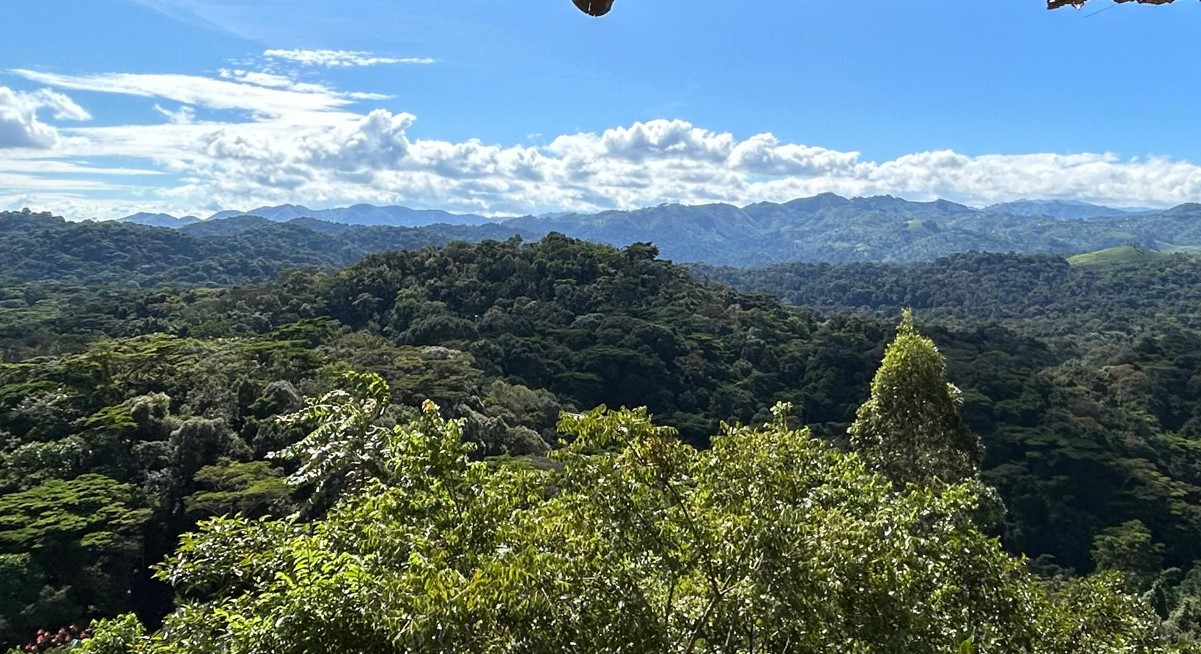
Bwindi Impenetrable National Park, a premier UNESCO World Heritage Site in Uganda, protects over half of the world’s mountain gorilla population. Trekking is divided into four distinct regions—Buhoma, Ruhija, Rushaga, and Nkuringo. Each sector offers unique terrain, habituated families, accessibility options, and distinct logistical requirements.
1. Buhoma Sector: The Classic and Accessible Northern Hub
The Buhoma sector, located in the northern part of Bwindi, is the oldest and most established trailhead in the park. It was the first region opened for gorilla tourism in 1992 and remains the most popular choice for first-time visitors and those seeking well-developed tourist infrastructure.
Habituated Gorilla Families
Buhoma is home to four habituated gorilla families:
- Mubare: The oldest habituated gorilla family in Uganda, first opened for tourism in 1991. It currently has around 9 individuals.
- Habinyanja: Opened for tourism in 1997, this is a large group with roughly 17 individuals.
- Rushegura: A group that broke away from Habinyanja in 2002.
- Katwe: One of the newest families to be opened in the Buhoma region.
Trekking Experience and Terrain
Trekking in Buhoma involves navigating lush, lower-altitude, and relatively gentle forested slopes. The hikes can still be moderately strenuous, ranging from 2 to 6 hours, but are highly manageable for most fitness levels.
Accessibility
Buhoma is highly accessible. If you are flying, domestic flights operate daily from Entebbe International Airport to the Kihihi Airstrip. From the airstrip, it is a convenient 2-hour drive to the Buhoma park headquarters. By road, it is a 4-hour drive from Queen Elizabeth National Park (via the Ishasha sector), making it easy to combine wildlife viewing with gorilla trekking.
Additional Activities
Beyond gorilla trekking, Buhoma is renowned for its diverse ecotourism offerings, including:
- Batwa Cultural Experience: Engaging with the indigenous forest dwellers.
- Waterfall hikes and River Ivi Trail
- Bird watching and forest biking
2. Ruhija Sector: The Eastern Haven for Hikers and Birders
Situated in the eastern part of the park at a high altitude of 2,340 meters, the Ruhija sector is celebrated for its breathtaking, mist-covered valleys and panoramic views stretching across the distant Virunga Volcanoes and the Western Rift Valley.
Habituated Gorilla Families
Ruhija harbors four habituated gorilla groups:
- Bitukura: A peaceful and easily located family.
- Oruzogo: Known for its playful, energetic juveniles and large family size.
- Kyaguliro: Habituate primarily for research purposes, though now open to tourism.
- Mukiza: A recently formed or split family group in the area.
Trekking Experience and Terrain
Ruhija is home to some of the most demanding trekking terrains in Bwindi. The high-altitude forest features steep, undulating hills and ridges that require a solid level of physical fitness. However, the scenic rewards and the encounters with the gorillas in the damp, mystical bamboo zones are unparalleled.
Birding Enthusiasts
Ruhija is famously known as the premier bird-watching destination in Bwindi. Trekkers are highly recommended to bring binoculars to spot rare species such as the Yellow-streaked Greenbul, Dusky Crimson-wing, Yellow-eyed Black Flycatcher, and various hornbills.
Accessibility
Ruhija is centrally located between Buhoma to the north and the southern sectors, making it an excellent stopover if you are traversing the national park. It is typically accessed by road from the town of Kabale (approximately a 2-hour drive).
3. Rushaga Sector: The Southern Hub for Habituation and High Success Rates
Located in the deep southern section of Bwindi in the Kisoro District, the Rushaga sector is highly sought after by adventure travelers. It boasts the highest number of habituated gorilla families in the park, giving visitors the best statistical chance of a swift and successful trek.
Habituated Gorilla Families
Rushaga is home to approximately 8 fully habituated gorilla families:
- Nshongi: One of the largest families in the area, once known for its complex group dynamics.
- Mishaya: Known for its interaction with other groups and sometimes spirited behavior.
- Bweza: A splinter group from Nshongi.
- Kahungye: Known for its active silverback and numerous active members.
- Busingye: Known for interacting with wild, unhabituated groups.
- Bikingi: A large, diverse group.
- Mucunguzi: A family group with a history of fascinating leadership changes.
- Rwigi: A smaller family group that split from Kahungye.
Gorilla Habituation Experience (GHE)
Rushaga is uniquely famous for being the only sector in the entire park that offers the Gorilla Habituation Experience. While normal gorilla trekking grants you exactly one hour with the primates, the habituation experience allows you to spend 4 full hours with them alongside researchers and conservationists. Permits for this experience cost $1,500, compared to the standard $800 gorilla trekking permit.
Trekking Experience and Terrain
The terrain in Rushaga is highly variable. Some families require a relatively short trek of 2 to 3 hours, while others can venture into the deeper, more rugged, and steep jungle for 5 to 6 hours.
Accessibility
Rushaga is very popular for travelers coming from neighboring Rwanda. It takes about a 4 to 5-hour drive from Kigali (Rwanda’s capital) to cross the Cyanika border into the Kisoro district. Domestically, it is easily accessed via a charter or scheduled flight from Entebbe to the Kisoro Airstrip, followed by a short road transfer to the park offices.
4. Nkuringo Sector: The Southwestern Ridgeline for the Fit Adventurer
Perched high on the dramatic southern ridge of the park, the Nkuringo sector provides perhaps the most spectacular scenery in all of Bwindi. Located in the extreme southwest of the forest, this rugged, remote sector offers a more intimate and challenging gorilla trekking experience.
Habituated Gorilla Families
Nkuringo features three habituated gorilla families:
- Nkuringo: The flagship group of the sector, which was habituated in 2004.
- Christmas: A small, intimate family, named after its silverback.
- Bushaho: A family that frequently crosses over the border from the Rushaga sector into Nkuringo.
Trekking Experience and Terrain
Because of its high altitude and dramatic topographic features, Nkuringo is considered one of the most strenuous and physically demanding treks in Bwindi. The steep ascents and descents through thick vegetation are best suited for young, physically fit, and active travelers. However, reaching the summit of the ridge offers unmatched, sweeping views of the Virunga Volcanoes.
Accessibility
Similar to Rushaga, Nkuringo is highly accessible from Kigali. It is approximately a 4 to 5-hour drive from Kigali International Airport across the Cyanika or Katuna borders. It is also highly accessible from Rushaga, allowing tourists to stay in one sector while trekking in the other.
General Gorilla Trekking Rules & Guidelines
Regardless of the sector you choose, Bwindi Impenetrable National Park enforces strict, conservation-based ecotourism guidelines for every trek:
- Maximum Group Size: Only 8 tourists are allowed to visit a specific gorilla family per day.
- Time Limit: You are only permitted 1 hour with the gorillas once the family is located (Exception: 4 hours for the Gorilla Habituation Experience).
- Distance: Trekkers must remain 7 to 8 meters away from the gorillas at all times to prevent the transmission of human-borne diseases.
- Health: You must wear a mask while in the presence of the gorillas. If you are visibly ill (e.g., have a cold or flu), you may not be allowed to trek.
How to Choose the Right Sector for Your Safari
Selecting the ideal sector comes down to several personal preferences, physical limitations, and logistical factors:
- For Ease of Trekking & First-Timers: Choose Buhoma. The gentle slopes, abundant, easily reachable families, and proximity to the Kihihi airstrip make it the most comfortable base for first-time or older travelers.
- For Advanced Habituation: Choose Rushaga. It is the exclusive home to the 4-hour Gorilla Habituation Experience.
- For Fitness & Adventure: Choose Nkuringo or Ruhija. Both sectors feature high-altitude, strenuous climbs, but reward ambitious trekkers with dramatic landscapes and supreme isolation.
- For Birding Enthusiasts: Choose Ruhija. Its high-elevation canopy is a magnet for unique, endemic Albertine Rift bird species.
- For Budget/Travel from Rwanda: Choose Rushaga or Nkuringo. Both are accessed by a shorter, highly convenient 4 to 5-hour drive directly from Kigali, saving you a long road transfer from Entebbe.
Planning Your Gorilla Trek: Logistical Checklist
- Gorilla Permits: Standard gorilla permits cost $800 for Foreign Non-Residents. Securing your permit in advance is non-negotiable, as each sector has a capped number of daily permits depending on the families residing there. Peak season permits (June–August and December–February) often sell out 6 to 12 months in advance.
- Physical Preparation: No matter the sector, prepare for mud, rain, and uneven jungle floors. Wear waterproof hiking boots, long-sleeved shirts/trousers, and gardening gloves.
- Porters: At the start of every trek, you can hire a local porter at the sector briefing point. Doing so provides essential income to local communities and gives you a much-needed physical assist if you require help navigating the steep, muddy forest trails.
If you are currently planning a trip to Bwindi, Contact us
- What is your preferred starting point (Entebbe, Uganda, or Kigali, Rwanda)?
- Do you prefer a gentle trek or a challenging, rugged adventure?
- Are you interested in the standard 1-hour trek or the 4-hour Gorilla Habituation Experience?
![Read more about the article PEARL OF AFRICA TOURISM EXPO [POATE]](https://www.muganzisafaris.com/wp-content/uploads/2026/05/munyonyo-commonwealth-swimming-pool-01-300x300.jpg)