
Pian Upe Wildlife Reserve is Uganda’s premier hidden gem and second-largest protected area, measuring over 2,000 square kilometers of untamed, golden savannah. Located in the remote Karamoja region, it is the only destination in the country where you can track both the rare Roan antelope and cheetahs in the wild.
Welcome to the ultimate guide to Pian Upe Wildlife Reserve, one of East Africa’s most underrated and spectacular destinations. If you are tired of the crowded, heavily commercialized safari circuits, this remote frontier offers something incredibly rare in the modern travel world: the luxury of absolute space.
Here, you can watch a cheetah hunt across the whistling thorn trees without a dozen other safari vehicles blocking your view. Sweeping from the base of majestic mountains to vast grasslands that rival the Serengeti, this guide covers everything you need to know about planning an unforgettable safari to Pian Upe.
1. Introduction: Why Visit Pian Upe?
When most tourists think of a Uganda safari, their minds immediately jump to tracking mountain gorillas in Bwindi or witnessing the thundering waterfalls of Murchison Falls. However, for the true adventurer, northeastern Uganda holds a secret that is fast becoming a must-visit destination.
Pian Upe Wildlife Reserve is an undiscovered wilderness. Gazetted as a game reserve in the 1960s, it has largely been off the mainstream tourism grid. This isolation has preserved its pristine, virgin character. It is a place where conservation, wildlife, and traditional pastoralist communities live in deep connection.
By visiting Pian Upe, you are not just ticking off a bucket list; you are supporting direct conservation efforts and empowering local communities. Whether you are a wildlife photographer, a passionate birder, or an avid hiker, Pian Upe offers a raw, thrilling, and authentic African wilderness experience.
2. Location and Geography
Pian Upe Wildlife Reserve is situated in the semi-arid Karamoja region of northeastern Uganda. Covering approximately 2,788 square kilometers, it sprawls out just north of Mount Elgon and east of Mount Kadam.
The reserve is part of a larger ecosystem that links to the nearby Bokora and Matheniko Wildlife Reserves, acting as a massive biological corridor. Its landscape is a breathtaking mosaic of:
- Open acacia and woodland savannah
- Expansive rolling plains covered in black cotton soil
- Seasonal rivers and riverine forests
- Rocky volcanic kopjes (inselbergs) and ridges
- Sweeping backdrops of towering mountains, including Mount Kadam
The reserve borders Lake Opeta on its eastern side, creating vital seasonal wetlands that attract spectacular aquatic and migratory bird life. The sheer vastness of the landscape, coupled with striking sunrises and sunsets, makes it an absolute dream for photographers.
3. Wildlife: What to Expect
Pian Upe hosts over 40 mammal species. While its animal density may not yet match some of Uganda’s established national parks, the exclusivity of sightings and the presence of rare, localized species make it highly rewarding.
The Big Cats and Predators
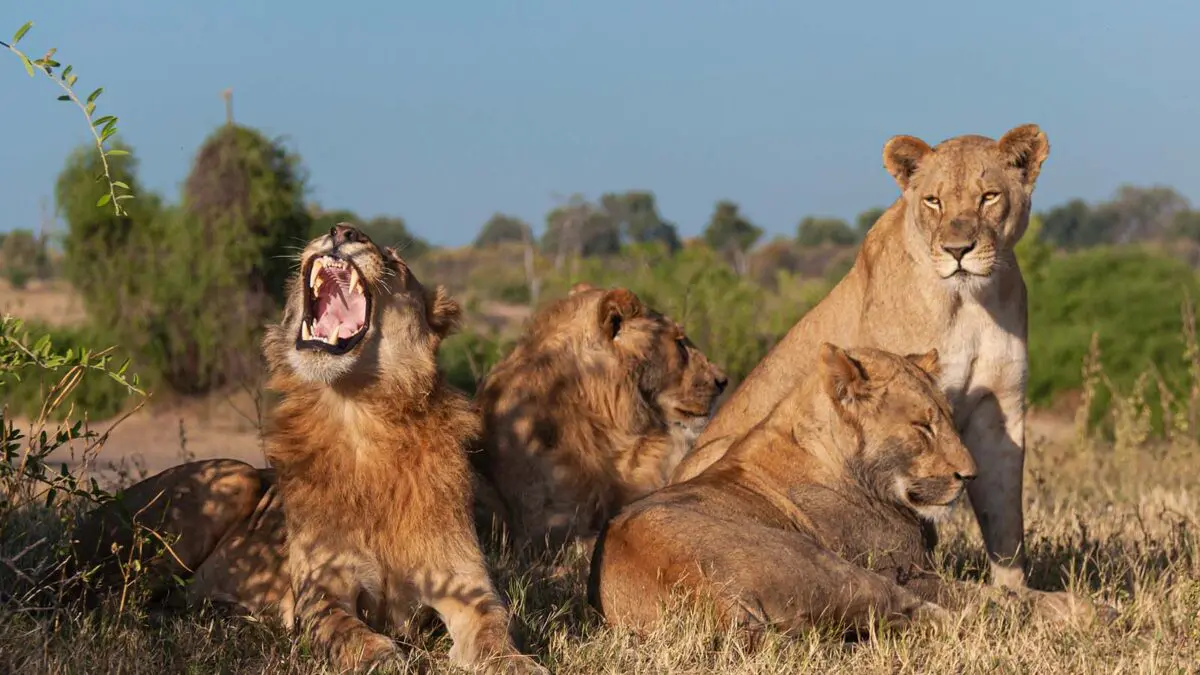
For predator enthusiasts, Pian Upe is one of the best places in Uganda to spot cheetahs, which thrive in the open savannah plains. Leopards are also present, and while lions are elusive, they occasionally roam the reserve’s boundaries. Smaller predators include spotted hyenas, jackals, serval cats, and civets.
Antelopes and Grazers
Pian Upe is famously the only protected area in Uganda where you can spot the majestic Roan antelope. Other antelopes and grazers you can encounter include:
- Grant’s gazelle
- Greater and Lesser Kudu
- Eland
- Bohor and Mountain Reedbucks
- Uganda Kobs
- Zebras
- Waterbucks
- Topi
Mega-herbivores
While heavily poached during past periods of political instability, the Uganda Wildlife Authority (UWA) has been actively reintroducing and protecting large mammals in Pian Upe. You may spot buffaloes, giraffes, and occasionally elephants migrating through the area.
4. Birding Paradise
Pian Upe is a hidden gem for birdwatchers, boasting over 240 recorded bird species. Its unique ecosystem—combining dry savannahs, rocky outcrops, and wetland edges near Lake Opeta—creates a haven for birders.
Perhaps the most famous resident of the reserve is the Ostrich. Pian Upe is one of the few places in Uganda where you can easily spot these large, flightless birds roaming the plains in the wild.
Other notable bird species to look out for include:
- Karamoja Apalis (endemic to northeastern Uganda)
- Fox’s Weaver (found only in a couple of places in the world, including Lake Opeta)
- Secretary Bird
- Abyssinian Ground Hornbill
- Shoebill Stork (near the wetlands)
- Somali-Breasted Bunting
- Bristle-crowned Starling
- Greenbitta
- Hunter’s Sunbird
The best birding spots are typically around the Loporokocho swamp and the Cheposukunya hot springs.
5. Top Tourist Activities
Pian Upe Wildlife Reserve is an active, experiential destination. It is a place where you step out of the safari vehicle and immerse yourself in the environment.
Game Viewing Safaris
Exploring the vast savannahs in a comfortable 4×4 safari vehicle is the primary activity. Guided morning and afternoon game drives take you along well-defined tracks like the Loporokocho tracks, allowing you to track cheetahs, giraffes, zebras, and a variety of antelopes. Because the reserve is largely uncrowded, your game drives feel intensely private and personal.
Bird Watching
With over 240 species, you could easily spend days just birding. Whether you are driving through the grasslands or walking the edges of the acacia woodlands, bringing a pair of binoculars and a good bird guide is essential.
Guided Nature Walks and Hikes
Stretch your legs and get up close to nature on foot. Guided nature walks are accompanied by armed UWA rangers who help you track smaller wildlife, identify medicinal plants, and track bird calls.
Napedet Cave Hike
One of the most popular hikes in the reserve is the trail leading to the Napedet Cave. This hike tests your physical fitness and rewards you with stunning panoramic views of the reserve’s mountainous ranges.
- Historical Significance: The caves were ancient gathering spots for the area’s first inhabitants before the area was gazetted.
- Rock Art: Inside the cave, you can view odd, ancient paintings and drawings of roan antelopes, baboons, and giraffes—animals that once roamed the open plains.
Cheposukunya Hot Springs
A visit to the Cheposukunya hot springs is an amazing geological experience. These springs naturally spill out hot water from the ground. The surrounding area is also an excellent habitat for spotting water birds and basking reptiles.
6. Best Time to Visit
Pian Upe can be visited year-round, but your experience will depend heavily on the season you choose.
The Dry Season (January to March)
The dry months are generally considered the best time for game viewing safaris.
- Pros: Animals congregate around the few remaining water holes and seasonal rivers, making them much easier to spot. The park roads are generally dry and much easier to navigate.
- Cons: The landscape becomes very hot and dry, and the sun can be quite intense.
The Short Dry Season (November to December)
These months are highly recommended by safari experts.
- Pros: The park is still vibrantly green following the rainy season, the heat is not as severe, and wildlife is relatively easy to find.
The Rainy Season (April to October)
The rainy season transforms Pian Upe into a lush, green paradise, but it presents logistical challenges.
- Pros: The vegetation blooms, and it is a beautiful time for landscape photography.
- Cons: The park roads become very muddy and difficult to traverse, requiring a robust 4×4 vehicle. Furthermore, animals disperse widely across the massive reserve to feed, making them harder to find.
7. Getting There
Reaching Pian Upe is an adventure in itself, but accessibility has significantly improved over the years. The reserve is located in northeastern Uganda, with the headquarters situated just off the main Mbale-Moroto road.
From Kampala
- Duration: Driving from Kampala typically takes about 8 to 9 hours.
- Route: You will typically take the route from Kampala through Jinja, Mbale, and Kapchorwa.
- Road Condition: The road from Kampala to Mbale is tarmac and in excellent condition. As you venture further into the Karamoja region, some of the interior reserve roads are unpaved.
By Air
For luxury travelers or those pressed for time, chartered flights can be arranged from Entebbe International Airport to nearby airstrips (such as in Moroto). You can then arrange for a local safari operator to pick you up and drive you to the reserve.
Essential Travel Tip
A 4×4 wheel drive vehicle is strongly recommended for your safari, particularly if you are traveling during the rainy season or exploring the deep interior tracks of the reserve.
8. Where to Stay
As a developing tourist destination, accommodation in Pian Upe is currently limited, which adds to its remote, exclusive charm. You can choose from basic, government-run bandas to exclusive, mid-range luxury options.
Uganda Wildlife Authority (UWA) Bandas
Located at the park headquarters, these provide basic but comfortable shelter.
- Pros: They are affordable, immersive, and put you right in the heart of the action.
- Cons: They are simple and often require you to bring your own food and drinking water or hire a cook to prepare meals.
Camping Grounds
For the adventurous traveler, setting up a tent under the starry skies of the Karamoja plains is a magical experience. You can bring your own camping equipment or inquire with park authorities about hiring tents.
Karamoja Overland Camp
This is a popular mid-range option located near the park. It features comfortable, self-contained safari tents with en-suite facilities, allowing you to enjoy the wilderness without sacrificing basic modern comforts.
Luxury & Eco-Lodges (Just Outside the Reserve)
- Pian Upe Cave House: For an exclusive, unique stay, this property inside the reserve is carved into volcanic rock and offers full-board experiences.
- Sipi Falls / Mbale Accommodations: Because Pian Upe is only about 1.5 to 2 hours from the beautiful Sipi Falls, many tourists choose to stay in the Sipi/Mbale area and do a day trip into Pian Upe.
9. Cultural Encounters
A safari to Pian Upe is not just about wildlife; it is deeply tied to the rich, vibrant cultures of the indigenous people who call the Karamoja region home.
The Karamojong People
The Karamojong are a nomadic pastoralist community whose lives, culture, and traditions heavily revolve around their livestock. On a guided community visit, you can step into a traditional homestead (a Manyatta) and learn about their daily routines, traditional marriage ceremonies, ancient dances, and folklore.
The Pokot People
Also known as the Upe, these Kalenjin-speaking pastoralists originally migrated from Kenya and share the region with the Karamojong. Interacting with them offers a deep insight into their history, traditional way of life, and artistic craftsmanship.
Supporting the Community
Participating in these cultural encounters directly benefits the local economy. It provides the tribes with an alternative livelihood and instills a deep appreciation for conserving the wildlife in the reserve rather than poaching it.
10. Frequently Asked Questions (FAQs)
Q: Is Pian Upe Wildlife Reserve safe to visit?
A: Yes. Historically, the Karamoja region was plagued by cattle rustling and instability. However, the area has been heavily pacified by the Ugandan government, and security is now highly stable. Today, it is a safe and welcoming destination for international tourists.
Q: Do I need a permit to enter Pian Upe?
A: Yes. You will need to pay a park entrance fee, which typically ranges from $35 to $40 per person for international visitors. It is highly recommended to book your safari through a registered tour operator who can handle your permits and logistics.
Q: What should I pack for Pian Upe?
A: Because of the semi-arid, rugged nature of the reserve, you should pack:
- Lightweight, breathable clothing in neutral colors
- Sturdy, comfortable hiking boots for nature walks
- A wide-brimmed hat, sunglasses, and high-SPF sunscreen
- Binoculars and a camera with a good zoom lens
- Plenty of bottled drinking water
- A high-quality insect repellent
Q: Are there lions and elephants in Pian Upe?
A: While lions, leopards, and elephants do exist in the greater ecosystem, they are very elusive and heavily dispersed. The main wildlife highlights in Pian Upe are the cheetahs, Roan antelopes, ostriches, giraffes, and an incredible array of plains antelopes.
Q: Will I be allowed to walk in the park alone?
A: No. For your own safety, all nature walks and hikes inside the reserve must be accompanied by an armed and experienced Uganda Wildlife Authority (UWA) guide.
11. Conclusion
Pian Upe Wildlife Reserve stands as a poignant reminder of how wild and untouched East Africa can still feel. With its sweeping golden savannas, dramatic mountain backdrops, and exclusive wildlife sightings, it provides a highly rewarding alternative to the heavily trafficked safari parks.
Whether you are seeking the thrill of tracking a cheetah across open plains, climbing ancient caves filled with historical art, or immersing yourself in the rich pastoral culture of the Karamojong, Pian Upe offers a truly transformative safari adventure.
Are you ready to explore Uganda’s most underrated wilderness gem?
Next Steps to Plan Your Safari
If you are interested in visiting Pian Upe, I can help you:
- Estimate the costs of hiring a 4×4 safari vehicle with a professional driver guide.
- Compare itineraries that combine Pian Upe with nearby Mount Elgon and Sipi Falls.
- Create a packing checklist tailored exactly to the weather and activities.
Let me know how you’d like to narrow down your travel plans!