
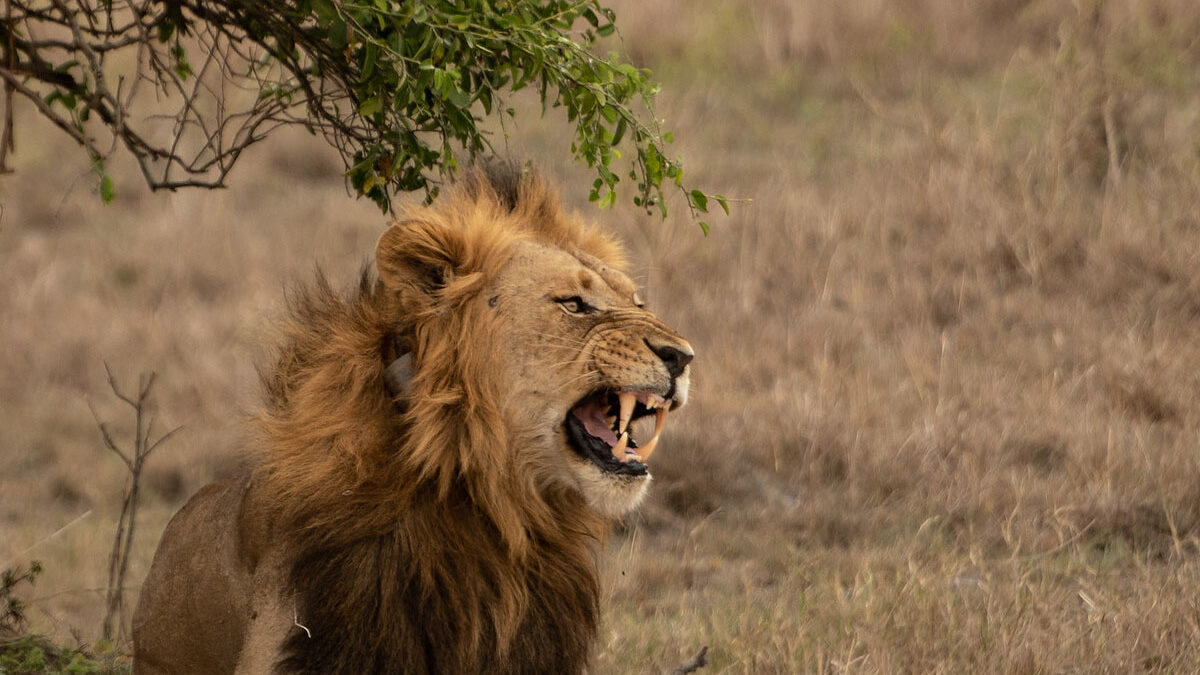
Akagera National Park is Rwanda’s premier savannah destination, offering an unforgettable wildlife safari featuring the “Big Five” (lion, leopard, elephant, rhino, and buffalo). Located just a 3-hour drive from Kigali, this 1,122-square-kilometer protected area is renowned for its diverse landscapes, including 10 picturesque lakes, sprawling papyrus swamps, and rolling acacia woodlands
The Ultimate Guide to Akagera National Park
Welcome to the ultimate guide to Akagera National Park. If you are looking for the perfect blend of adventure, conservation history, and breathtaking landscapes, this is the destination for you. Nestled in the eastern province of Rwanda, this park offers a unique and authentic African safari experience
Whether you are a seasoned safari-goer or planning your very first trip to Africa, this comprehensive guide will walk you through everything you need to know. From the rich history of the park and the amazing animals you can spot, to the best times to visit and practical tips, let’s dive into the magic of Akagera.
A Brief History of Akagera National Park
Established in 1934, Akagera is one of the oldest national parks on the African continent. It takes its name from the Akagera River, which flows along its eastern boundary and feeds into a complex maze of lakes and swamps
For decades, the park was a thriving ecosystem. However, in the 1990s and late 1990s, the park faced severe challenges. Following the 1994 genocide against the Tutsi, a massive influx of returning refugees settled in and around the park. This led to severe human-wildlife conflict, extensive poaching, and a devastating reduction in the park’s total land size
The Rebirth and Revival
In 2009, the Rwanda Development Board (RDB) partnered with the non-profit conservation organization African Parks to form the Akagera Management Company (AMC). This joint venture marked the beginning of one of Africa’s most successful conservation stories
Through strict anti-poaching measures, the reintroduction of key species, and the construction of an electric fence to minimize human-wildlife conflicts, the park was completely transformed. Today, Akagera boasts thriving wildlife populations and is 90% self-financing through sustainable tourism
Wildlife and Biodiversity: The Big Five and Beyond
Akagera’s unique geographic location—sitting between the arid savannahs of East Africa and the dense rainforests of Central Africa—makes it a biodiversity haven. The park’s varied ecosystems support a wide array of wildlife
The “Big Five”
Akagera is the only park in Rwanda where you can spot all of Africa’s iconic “Big Five”
- Lions: After being hunted to local extinction in the 1990s, lions were successfully reintroduced in 2015. Their population has since grown steadily, and they are frequently spotted on the savannah plains
- Rhinos: Both Eastern black rhinos and Southern white rhinos have been successfully reintroduced to the park, making it an excellent place to track these magnificent creatures
- Woodlands and frequently bathe near the lakes.
- Leopards: These elusive, solitary cats are known to inhabit the dense woodlands and rocky outcrops, making a sighting a special treat
- Buffalo: The African buffalo is abundant in the park. You will often see large herds grazing in the open grasslands
- Other Plains Game and Primates
Beyond the apex predators and massive mammals, the park is teeming with other fascinating wildlife. You can easily spot giraffes, zebras, waterbucks, impalas, elands, and topis. In the wetland areas, you might even catch a glimpse of the rare and elusive sitatunga antelope. Primate lovers will also enjoy seeing olive baboons, vervet monkeys, and blue monkeys. - A Birdwatcher’s Paradise
With a checklist of over 500 bird species, Akagera is a dream destination for birdwatchers. The diverse habitats—from savannah plains to papyrus swamps—attract a massive variety of birds. - Some of the most sought-after bird species in the park include:
- The rare and prehistoric-looking Shoebill Stork
- The striking Papyrus Gonolek
- The majestic African Fish Eagle
- The beautiful Grey Crowned Crane
Top Things to Do in Akagera National Park
Exploring Akagera is a multi-day adventure. There are several exciting activities designed to help you experience the park’s diverse landscapes and wildlife
1. Classic Game Drives
Game drives are the staple of any African safari. Exploring the dusty tracks of Akagera in a 4×4 safari vehicle allows you to cover vast distances and spot a wide variety of animals. Early mornings and late afternoons are the best times for game drives, as the animals are most active during these cooler hours.
2. Boat Safaris on Lake Ihema
Lake Ihema is the largest lake in the park and offers a fantastic aquatic safari experience. A boat cruise allows you to get up close to massive pods of hippos and huge Nile crocodiles basking on the shores. It is also a brilliant way to view water-loving birds and, during the dry season, you can often see large herds of elephants coming to the water to drink and bathe.
3. Night Drives
For a completely different safari experience, book a guided night drive. Using specialized spotlights, your guide will help you spot the park’s nocturnal creatures. You might catch a glimpse of hunting leopards, serval cats, genets, nocturnal birds, and even spotted hyenas
4. Behind-the-Scenes Conservation Experience
For a deeper dive into how the park operates, visitors can participate in a behind-the-scenes tour. This experience allows you to meet the park’s anti-poaching teams, learn about their Canine Anti-Poaching Unit, and discover the technology used to track collared rhinos and lions.
5. Walk the Line
For an immersive, on-foot experience, consider the “Walk the Line” activity. Accompanied by a park guide and an armed ranger, you can hike portions of the park’s boundary fence. This gives you a taste of the wilderness while learning about the crucial work the fence-line attendants do to protect both the wildlife and the local communities.
Cultural Tours and Community Impact
Conservation in Akagera is closely tied to the well-being of the surrounding communities. African Parks and the Akagera Management Company have heavily invested in the local people, developing schools, health centers, and water provision sites.
To experience this connection firsthand, visitors can participate in community and cultural tours just outside the park’s borders. These experiences allow you to interact with local community members and learn about their traditional way of life. You can try your hand at milking the iconic long-horned Ankole cows, learn how to make local banana beer, and enjoy vibrant traditional dance performances.
The Best Time to Visit Akagera National Park
Akagera is an all-year-round destination, but the best time for game viewing depends on the weather and the seasons.
The Dry Season (June to September)
The dry season is widely considered the best time for wildlife safaris. During these months, there is very little rainfall. The vegetation thins out, making it much easier to spot animals, and the water sources across the park dry up. As a result, animals congregate around the remaining lakes and waterholes, making them much easier to find and photograph.
The Wet Season (October to May)
The wet season brings lush, green landscapes to the park. The scenery is absolutely spectacular, and it is a wonderful time for birdwatching, as many migratory birds arrive during this period. Newborn animals are also often seen during the wet season. While the vegetation is thicker and roads can be muddier, the park remains beautiful and rewarding to explore.
Where to Stay: Accommodation in Akagera
To make the most of your trip, staying inside or near the park is highly recommended. Akagera offers a variety of accommodation options to suit different travel styles and budgets.
Luxury Lodges
For those seeking a high-end, immersive experience, luxury lodges like Magashi Camp (operated by Wilderness Safaris) offer top-tier amenities. Located in the northern part of the park, Magashi overlooks the beautiful Lake Rwanyakazinga and provides luxurious tented suites, gourmet dining, and expert guides.
Mid-Range Camps
Mid-range options offer fantastic comfort without the premium price tag. Ruzizi Tented Lodge is an eco-friendly, luxury tented camp located right on the shores of Lake Ihema. Nestled in a patch of forest, it is incredibly peaceful and offers a great base for both game drives and boat safaris.
Budget and Camping
If you are traveling on a budget, there are fantastic designated campsites within the park. Basic campsites like Shakani and Mutumba offer a true “wild camping” experience, allowing you to pitch a tent under the stars. For those who want facilities but at a lower price point, the recently refurbished Karenge Bush Camp provides a fantastic seasonal mid-to-budget glamping experience.
How to Get There and Logistics
Akagera is incredibly accessible compared to many other African national parks. Its proximity to the capital city makes it a convenient addition to any Rwandan itinerary.
Getting to the Park
The Park is located in eastern Rwanda, roughly a 2.5 to 3-hour drive from Kigali International Airport. The roads leading to the park are generally well-paved, making the journey smooth and comfortable. Many visitors choose to hire a private safari vehicle and driver, or rent a 4×4 if they prefer to self-drive.
Park Entry and Permits
To visit Akagera, you will need to pay an entrance fee, which is managed by the Rwanda Development Board. If you are planning multiple activities—like a boat cruise or a night drive—you will need to book and pay for these permits in advance. Fees can vary for international visitors, East African residents, and Rwandan citizens.
Top Tips for Your Akagera Safari
To ensure your trip to Akagera National Park is as enjoyable and successful as possible, keep these practical tips in mind:
- Bring the Right Gear: Pack lightweight, neutral-colored clothing for game drives. A good pair of binoculars is essential for spotting distant wildlife and identifying the park’s numerous bird species.
- Protect Yourself: Even though malaria is less prevalent in Rwanda’s cooler highlands, the eastern province is lower and warmer. Make sure to bring insect repellent and consult your doctor about anti-malarial medication.
- Book Activities in Advance: Boat safaris and night drives have limited capacity. Always book your permits well in advance through the official Visit Akagera website or your tour operator.
- Respect the Rules: Always stay inside your vehicle during game drives unless your guide specifies it is safe to get out. Do not feed the animals, and never litter.
- Plan for Enough Time: Many visitors make the mistake of doing Akagera as a rushed one-day trip. To truly enjoy the park, see a variety of animals, and experience different activities, plan to spend at least two to three days in the park.
The Conservation Success Story
As you travel through the rolling hills and sweeping grasslands of Akagera, it is important to reflect on the monumental conservation efforts that made it all possible. The revival of Akagera is a testament to the dedication of the Rwandan government and organizations like African Parks.
By visiting Akagera, you are not just having a fantastic holiday; you are directly contributing to conservation efforts. A large portion of park revenue goes back into the local community, ensuring that the people living around the park benefit from its existence. This sustainable model ensures that this beautiful Garden of Eden will be preserved for future generations to explore
Start Planning Your Adventure Today
Akagera National Park is a shining star in Rwanda’s tourism portfolio. It provides an authentic, uncrowded, and rewarding safari experience that perfectly complements a gorilla trekking adventure in Volcanoes National Park.
Whether you want to witness the re-established lion pride, cruise alongside hippos on Lake Ihema, or search for the rare shoebill stork, Akagera has something for every nature lover.
If you are ready to plan your trip to Akagera, let Us know how we can help you:
- Do you want to know more about budgeting for your trip?
- Would you like me to suggest a sample 3-day itinerary?
- Are you looking for information on how to combine this with other Rwandan and Uganda destinations?
Let Us know what you want to focus on next.