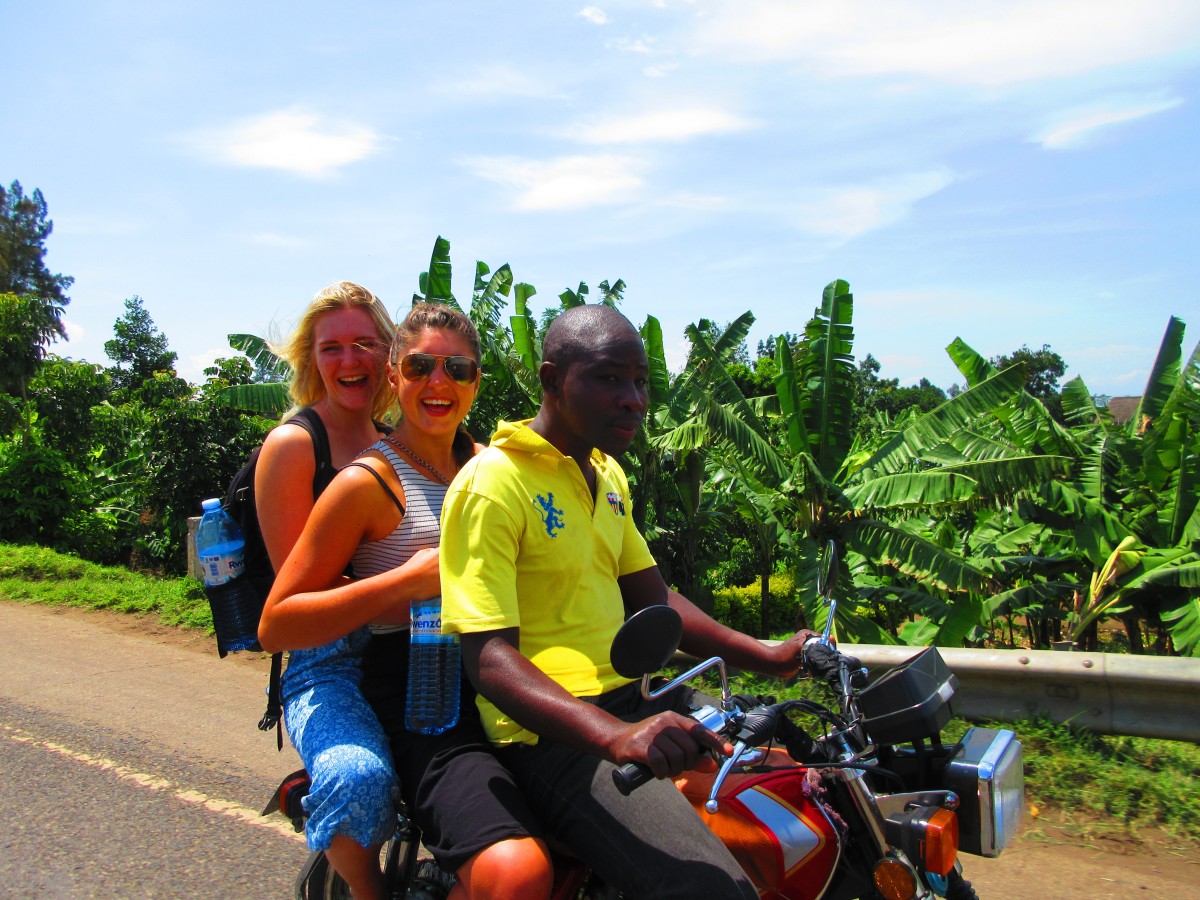
Exploring Uganda on a backpacker’s budget is highly rewarding, offering intimate wildlife viewing, lush tropical rainforests, and vibrant cultures at a fraction of standard safari prices. By utilizing the Uganda Wildlife Authority for permits, opting for local public transport (matatus), and booking rustic community campsites, budget travelers can successfully explore the “Pearl of Africa”.
The True Cost of Backpacking in Uganda
Understanding your financial requirements is the first step to a successful backpacking trip. In Uganda, costs can be carefully managed if you travel independently, utilize public transport, and sleep in budget accommodations or guesthouses.
Daily Budget Breakdown
A backpacker’s daily budget is generally divided into three main tiers, depending on your preferred level of comfort and activities:
- Shoestring Backpacker ($40 – $60 per day): This budget assumes you are using local public transport (buses and matatus), staying in hostel dorms or budget guesthouses, cooking some of your own meals, and limiting expensive national park visits to one or two.
- Comfort Backpacker ($80 – $120 per day): This allows for slightly more comfort. You might hire a self-drive car or book a 4WD truck with a rooftop tent, stay in budget eco-camps or campsites within the national parks, and enjoy basic local meals at restaurants.
- Budget Group Traveler ($150 – $200 per day): If you prefer to join guided group tours, this tier covers shared transport, an experienced local guide, park entrance fees, and standard budget lodging.
The Gorilla Permit Factor
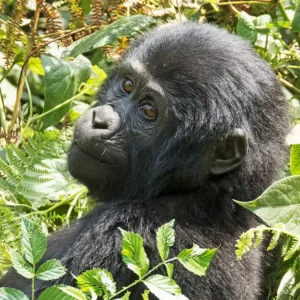
The single biggest expense in any Ugandan safari is the mountain gorilla trekking permit.
- Foreign Non-Residents: $800
- Foreign Residents: $700
- East African Citizens: UGX 300,000
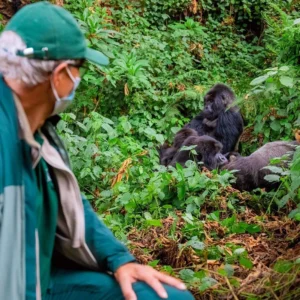
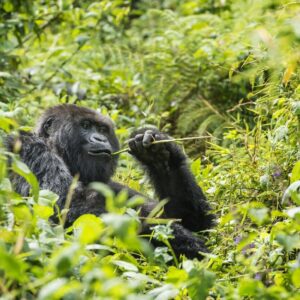
Budget Tip: While $800 is a significant fixed cost, the permit grants you one hour with these majestic primates in Bwindi Impenetrable National Park or Mgahinga Gorilla National Park. If this exceeds your budget, Uganda offers cheaper primate alternatives like chimpanzee tracking (around $200) or golden monkey tracking.
Top Backpacking Destinations in Uganda
Uganda offers a diverse range of ecosystems, from dense tropical forests to sweeping savannahs. Here are the best destinations tailored to the budget traveler and backpacker.
1. Bwindi Impenetrable National Park & Mgahinga Gorilla National Park
Famous for mountain gorilla trekking, these parks in southwestern Uganda are essential stops for wildlife lovers.
- Budget Accommodations: Villages surrounding the parks, such as Buhoma or Nkuringo, feature budget community campsites and local guesthouses that charge as little as $15 – $30 per night.
- Activities: Gorilla trekking (with a permit), Batwa cultural trail experiences, and forest nature walks.
2. Queen Elizabeth National Park
Located in the western part of the country, this park is celebrated for its diverse ecosystems, including sprawling savannah, crater lakes, and the famed tree-climbing lions of the Ishasha sector.
- Getting Around: You can take a public bus from Kasese or Ishaka to the park gates and arrange shared or self-guided game drives.
- Highlights: Kazinga Channel boat cruise (cheaper when joining a public group) and crater lake hikes.
3. Murchison Falls National Park
Located in northwestern Uganda, Murchison Falls is the country’s largest national park and features the world’s most powerful waterfall.
- Activities: Boat cruise to the bottom of the falls, hiking to the top of the falls, and morning game drives.
- Budget Tip: Stay outside the park gates in budget-friendly towns like Masindi or Red Chili Rest Camp for affordable bandas and camping spots.
4. Lake Mburo National Park
Located conveniently between Kampala and the gorilla parks, Lake Mburo is the smallest savannah national park but offers unparalleled accessibility.
- Why it’s great for backpackers: It is one of the few parks where you can go on walking safaris and cycling safaris without paying for an expensive private safari vehicle.
- Highlights: Boat trips, horseback riding (slightly higher budget), and spotting zebras, elands, and impalas.
5. Kidepo Valley National Park
For adventurous backpackers, Kidepo offers an off-the-beaten-path experience. It is remote and wild, situated in the far northeastern corner of Uganda.
- Activities: Hiking the Morungole Mountains and spectacular, crowd-free wildlife viewing.
- Budget Tip: Public transport to Kidepo is sparse, so joining a shared budget tour group from Kampala is the most practical way to reach it.
6. Jinja and the Source of the Nile
Jinja is the adventure capital of East Africa and a highly accessible hub for backpackers.
- Activities: White-water rafting, quad biking, horseback riding, and sunset boat cruises.
- Budget Atmosphere: Jinja is packed with backpacker hostels, vibrant cafes, and affordable street food options.
How to Travel on a Shoestring: Practical Tips
To keep your costs manageable, you must adopt a smart backpacking mindset. Uganda’s tourism industry often caters to luxury travelers, but there is a rapidly expanding budget infrastructure if you know where to look.
Utilize Public Transportation
- Matatus (Minibuses): These are the most common form of transport between towns. They are cheap, vibrant, and a great way to interact with locals.
- Boda-Bodas (Motorcycle Taxis): Perfect for short distances within cities or from a bus drop-off point to your remote hostel. Always negotiate the fare before hopping on.
- Coaches: For long distances, public coaches run on reliable schedules between major towns, such as the Kampala-to-Kabale or Kampala-to-Fort Portal routes.
Choose Budget-Friendly Accommodation
- Campgrounds and Hostels: Many national parks and tourist hubs have community-run campsites where you can pitch a tent for $5 – $15 per night. Towns like Jinja, Kampala, and Entebbe feature highly rated, inexpensive backpacker hostels with dorm beds ranging from $12 – $20.
- Self-Contained Bandas: These are small, basic cabins often run by the Uganda Wildlife Authority. They offer an affordable way to stay directly inside the national parks.
- Community Guesthouses: Many local communities near national parks run guesthouses. Staying here puts your money directly into the local economy while saving you money.
Self-Catering and Local Food
- Eat Like a Local: Sample local dishes at roadside stalls or local dukas (eateries). A hearty meal of matooke (mashed plantain), beans, rice, and beef can cost as little as $2 – $4.
- Self-Drive Groceries: If you are renting a self-drive 4×4, stock up on fresh fruits, vegetables, and staples at local markets in larger towns like Fort Portal, Masindi, or Kampala. Cooking your own camp meals will drastically lower your food budget.
Book Directly through Local Operators
- Ditch the International Agencies: Booking a safari through Western tour operators often includes massive markups. Search for local, registered tour operators based in Kampala or Entebbe.
- Join Group Safaris: The biggest cost on safari is transportation and a guide. By joining an established budget group tour, you share the costs of the 4×4 vehicle and fuel with other travelers.
Best Time to Visit on a Budget
Uganda sits on the equator, which means it experiences warm, tropical weather year-round. However, the cost of safaris and accommodations fluctuates depending on the seasons.
The Dry Season (Peak Season)
- Months: June to August and December to February
- Pros: Excellent weather for wildlife viewing. The bush is dry, and animals congregate near waterholes, making them easier to spot.
- Cons: High demand means national park accommodations book up fast, and prices are at their highest. You must book gorilla permits months in advance.
The Wet Season (Low Season / Shoulder Season)
- Months: March to May and October to November
- Pros: During these months, budget travelers can take advantage of discounted rates on accommodations—even luxury lodges drop their prices to attract visitors. The national parks become beautifully green and lush.
- Cons: Heavy afternoon downpours can make muddy dirt roads in the parks slightly more challenging to navigate.
Budget Tip: The wet season is ideal for budget backpackers who are flexible with their schedules and want to save significantly on accommodations.
Essential Backpacking Gear for Uganda
Proper packing can save you money by preventing costly gear rentals or emergency purchases while on the road. Here are the essentials for an African backpacking safari:
Clothing
- Moisture-Wicking Layers: Synthetic or merino wool t-shirts and long-sleeved tops are essential in the tropical heat and humidity.
- Neutral Colors: Wear khaki, beige, or green. Bright colors attract insects, and dark colors attract tsetse flies.
- Warm Fleece: The mountainous regions (like Bwindi and Mgahinga) can get very cold, especially at night.
- Rain Gear: A high-quality rain jacket and waterproof trousers are absolute must-haves, particularly during the wet season.
- Sturdy Footwear: Comfortable, broken-in hiking boots are essential for gorilla trekking, climbing, and walking safaris.
Gear and Electronics
- Tent and Sleeping Bag: If you plan on camping, invest in a lightweight, durable, 3-season tent, and a warm sleeping bag rated for at least 10° C.
- Waterproof Dry Bags: Protect your camera, passport, and electronics from sudden rain showers and humidity.
- Power Bank: Electricity can be intermittent in remote campsites. Carry a high-capacity power bank to keep your phone or camera charged.
- Headlamp: Perfect for moving around campsites and budget bandas at night.
Health and Safety
- Malaria Prevention: Uganda is a high-risk malaria zone. Consult your doctor for preventative anti-malarials before your trip. Always use mosquito repellent and ensure your accommodation has a functional mosquito net.
- First-Aid Kit: Pack bandages, antiseptic wipes, painkillers, and rehydration salts.
- Yellow Fever Certificate: You are legally required to present a Yellow Fever vaccination card upon entry into Uganda.
Culture and Etiquette in Uganda
Ugandans are known as some of the friendliest and most hospitable people in the world. Respecting the local culture will ensure a smooth and enjoyable trip.
Greetings
- Ugandans place a high value on taking the time to greet each other. Always initiate interactions with a polite greeting, such as “Musibye otya?” (How was your day?) or “ Oli otya?” (How are you?) in Luganda.
- A simple handshake or acknowledging an elder with respect is deeply appreciated.
Dress Code
- Modest dressing is highly valued in Uganda. When traveling through towns or rural villages, ensure your shoulders and knees are covered.
- Women are advised to wear long skirts or loose-fitting trousers. Swimwear is only appropriate at resort pools or on the beaches of Lake Victoria.
Photography Etiquette
- Always ask for permission before taking a photo of a local person. Taking photos without asking is considered intrusive.
- If someone agrees to a photo, respect their boundaries.
Tipping
- While tipping is not strictly mandatory, it is a customary and highly appreciated way to reward good service.
- You can tip your gorilla trekking or safari guides around $10 – $15 per guest per day. You can also leave a small tip for waiters or porters, generally around $2 – $5.
Sustainable and Responsible Backpacking
Budget travel should not mean compromising on your environmental and social responsibilities. As a backpacker, you have the power to leave a positive impact on the communities and ecosystems you visit.
Support Local Businesses
- Buy fresh produce from local roadside markets.
- Hire local community guides for nature walks or village tours.
- Stay at eco-lodges or guesthouses run by the community.
Respect Wildlife
- Never litter in national parks or on hiking trails.
- Always maintain a safe distance from wildlife.
- During gorilla trekking, stay strictly at least 7 meters away from the gorillas to prevent the transmission of human diseases. Do not go trekking if you are feeling sick.
Conserve Resources
- Bring a reusable water bottle and a reliable water filter to avoid buying single-use plastic bottles while on the road.
- Be mindful of electricity and water usage, as resources can be scarce in remote areas.
Let Us Help You Plan Your Budget Safari
Whether you are looking to save money through DIY planning or by joining budget group tours, we can assist in creating the perfect itinerary tailored to your travel style and budget.
If you want, tell me:
- Are you planning a solo trip or traveling with friends?
- Do you want to try gorilla trekking, or focus purely on savannah safaris?
- How many days do you have for the trip?
Muganzi Safaris experts will help you build an affordable adventure to the Pearl of Africa.