Rwanda genocide tourism or dark tourism is a profound educational experience. Centered around the 1994 tragedy, this journey fosters peace and reconciliation. Key sites include the Kigali Genocide Memorial, the preserved Murambi Memorial, and the Nyamata Church Memorial. Visitors should book via the IremboGov Platform and practice respectful visitation.
The Evolution and Purpose of Genocide Tourism in Rwanda
“Dark tourism”the act of traveling to sites historically associated with death and tragedy has become a significant pillar of Rwanda’s booming travel industry. However, in Rwanda, this is not framed merely as morbid curiosity. Instead, genocide tourism often referred to as memorial tourism is structured as a profound educational journey dedicated to remembrance, global peace-building, and the prevention of future atrocities.
Following the horrific 100-day genocide against the Tutsi in 1994, where over a million people were systematically murdered, Rwanda faced the monumental task of rebuilding. Rather than hiding its painful past, the country chose to preserve key historical sites as poignant reminders of the dangers of hate speech, prejudice, and political division.
Today, visitors who travel to the “Land of a Thousand Hills” often pair their iconic gorilla trekking and wildlife safaris with visits to these sobering memorial sites. This juxtaposition highlights a nation that has moved beyond its trauma to build a future defined by unity, economic resilience, and hope.
The Major Genocide Memorial Sites to Visit
Across Rwanda, there are over 250 recognized memorial sites. While many serve as small, localized resting places, several prominent sites are frequently included in itineraries to provide a comprehensive historical and cultural understanding of the 1994 tragedy.
1. The Kigali Genocide Memorial (Gisozi)
Located just a short 10-minute drive from the city center, the Kigali Genocide Memorial is the most visited site in the country. It serves as the final resting place for more than 250,000 victims.
- The Exhibits: The indoor exhibitions are deeply immersive. They walk visitors through the historical roots of the genocide (including colonial influences), showcase powerful personal testimonies, and draw comparisons to other genocides globally to emphasize that this is a worldwide responsibility.
- The Memorial Gardens: Outside, massive rose gardens, mass graves, and quiet pathways provide space for reflection, mourning, and healing.
- Accessibility: Visitors often utilize Kigali City Tours or self-drive to access the memorial.
2. Murambi Genocide Memorial (Southern Province)
Located roughly 126 km from Kigali in the Nyamagabe District, the Murambi Memorial is perhaps the most visceral and harrowing of all the sites. It was formerly a newly built technical school where thousands of Tutsi sought refuge, only to be massacred.
- The Experience: Unlike sites where victims were buried elsewhere, many of the bodies here have been exhumed and preserved in lime to visually demonstrate the scale of the atrocity. Classrooms are filled with the clothes, personal belongings, and remains of the victims.
- The Impact: Murambi offers an unfiltered, confronting look at the brutality of the genocide and serves as a monument to the horrors of impunity.
3. Nyamata and Ntarama Church Memorials (Bugesera District)
These two former Catholic churches are located about 30 km south of the capital and offer a striking glimpse into how community sanctuaries were turned into death traps.
- Ntarama: This small village parish was the site of the murder of approximately 5,000 people. The physical evidence including bricks smashed during the attacks and the clothing of victims piled on pewremains untouched.
- Nyamata: At Nyamata, militias used hand grenades to break into the church, ultimately killing over 20,000 people who had locked themselves inside. The altar cloths, blood stains, and personal effects of the victims are still visible.
4. Bisesero Genocide Memorial (Western Province)
Situated in the hills near Kibuye and Lake Kivu, the Bisesero Memorial is a testament to extraordinary bravery and resistance.
- The History: Thousands of Tutsi fled to these hills, using stones and sticks to defend themselves against heavily armed Interahamwe militias for over two months.
- The Memorial: The site features a series of small, scattered buildings leading up to a main mausoleum that contains the remains of around 40,000 victims. It highlights both the tragedy of the massacres and the resilience of those who fought back.
5. Nyarubuye Genocide Memorial (Eastern Province)
Located near the Tanzanian border, this Catholic church was the site where 2,000 to 20,000 Tutsis were killed. The church itself was restored and is currently used for local worship. Adjacent to it, the memorial building preserves the remains and personal items of the victims in mass graves.
The Cultural Significance and Ethics of “Dark Tourism” in Rwanda
The integration of genocide sites into mainstream tourism raises complex ethical questions. In the context of Rwanda, this specific brand of “dark tourism” operates under a strictly controlled ethos that prioritizes education, respect, and human rights over voyeuristic consumption.
The Push for Education and Prevention
The primary objective of Rwanda’s memorial tourism is education. The overarching message across all centers is “Never Again.” By exposing visitors to the mechanics of the genocide the role of hate speech, biased media, and deep-rooted colonial classifications the memorials function as dynamic tools for global genocide prevention. Organizations like the UK-based Aegis Trust, which helped establish the Kigali Genocide Memorial, heavily focus on peace-building programs and educating the younger generation of Rwandans to ensure such a tragedy is never repeated.
Respectful Visitation
Because of the intense emotional weight of these sites, visitors are required to follow strict codes of conduct.
- Photography Rules: In highly sensitive areas, such as the indoor exhibition rooms housing human remains, photography and video recording are strictly prohibited.
- Behavior: Visitors are expected to dress modestly and maintain a quiet, respectful demeanor.
- Interaction: Many local guides at the memorials are genocide survivors. Engaging with them provides profound, humanizing context to the statistics, but visitors are encouraged to be sensitive and empathetic when asking questions.
The Duality of Tourism: Gorillas and History
Rwanda’s tourism sector is famously diverse, bringing travelers from all over the world to track endangered mountain gorillas in Volcanoes National Park and spot the “Big Five” in Akagera National Park.
The pairing of these wildlife experiences with genocide tourism is deliberate. It provides international visitors with a complete picture of modern Rwanda. The country offers visitors the chance to witness the absolute beauty of the natural world, while also confronting the darkest depths of human history. In doing so, tourists leave with a deep appreciation for Rwandan resilience, the incredible strides in wildlife conservation, and the nation’s steadfast commitment to reconciliation.
How to Plan a Respectful Genocide Memorial Tour in Rwanda
Visiting Rwanda’s genocide memorials requires a thoughtful, well-planned itinerary. Travelers interested in these sites should be prepared for an emotionally taxing experience and ensure they book appropriately.
1. Booking Your Visit and Entrance Fees
While donations are accepted and many entry points are free, the Rwandan government has streamlined the visitation process for major sites through centralized planning. Visitors can seamlessly book their visits and find information on the Rwanda Cultural Heritage Academy or through the digital IremboGov Platform. Pre-booking is highly recommended to secure guided tours.
2. Selecting the Right Tour Operators
Because memorial sites are scattered across the country from Bugesera to Bisesero most travelers opt for multi-day tours. Reputable tour operators seamlessly integrate these educational stops into broader safaris.
3. Best Time to Visit
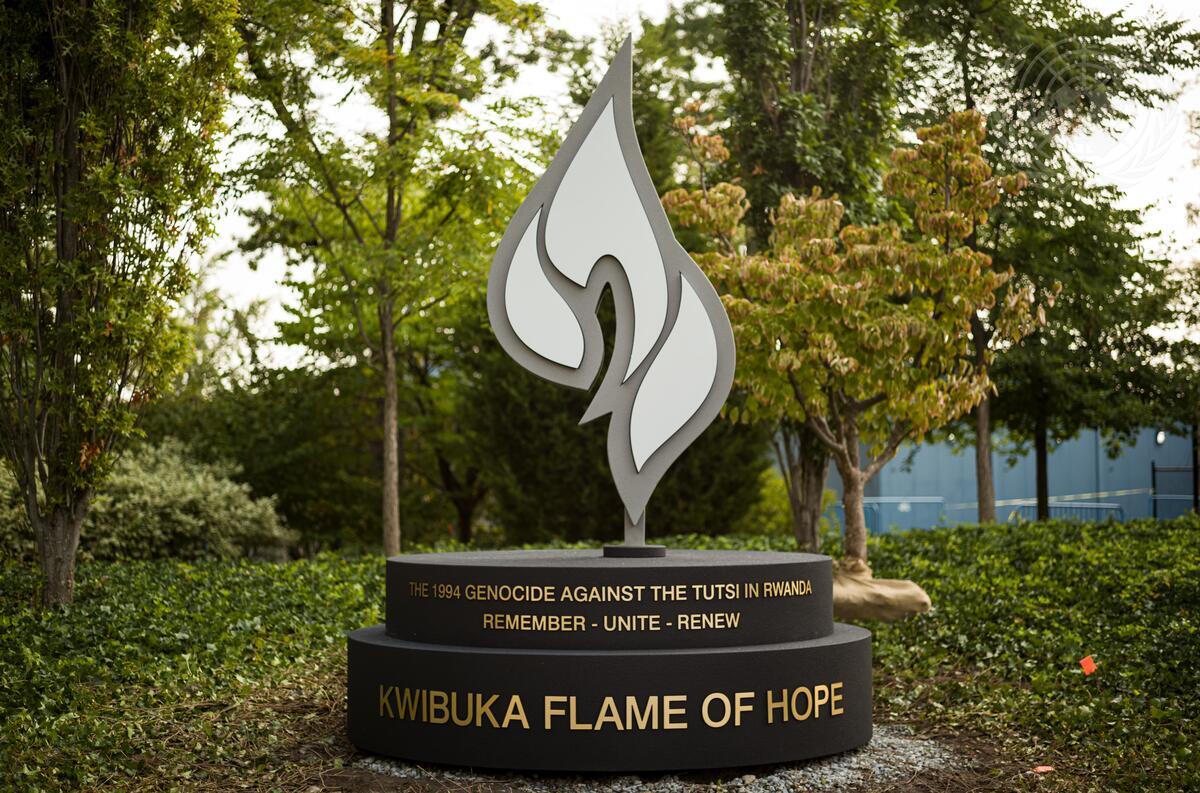
While memorials are open year-round, many visitors plan their trips around the annual commemoration period, known as Kwibuka, which begins in April. During this time, the country engages in 100 days of mourning and remembrance. Attending these ceremonies can be a moving experience, though it requires advanced preparation as hotels and tour guides book up quickly.
4. Combining Tours for Maximum Impact
A standard “Historical-Minded City Tour of Kigali” usually takes about a half-day to a full-day. Itineraries typically include:
- The Kigali Genocide Memorial
- The Campaign Against Genocide Museum at the Parliament building
- The Camp Kigali Belgian Monument, honoring the UN peacekeepers killed at the start of the genocide
- Trips to the Ntarama and Nyamata churches in the surrounding Bugesera region
5. Respecting Local Culture and Surviving Etiquette
Before embarking on a genocide tourism itinerary, tourists are advised to:
- Educate Yourself: Having a baseline knowledge of the 1994 genocide against the Tutsi prior to arrival allows guides to dive deeper into the nuances of reconciliation and healing, rather than just basic history.
- Tip Your Guides: Local guides at these sites are often survivors or experts in Rwandan history. Tipping them is a deeply appreciated way to support the local economy and the individuals who shoulder the emotional labor of sharing this history.
- Support Local Artisans: Many tour itineraries end at local markets (such as Kimironko Market in Kigali), offering tourists the opportunity to buy handmade local crafts. Purchasing souvenirs is an excellent way to support local economic development and empower Rwandan communities.
The Broader Impact: Rwanda’s Journey to Unity and Reconciliation
To truly understand Rwanda genocide tourism, it is vital to understand what happens after visitors leave the memorial sites. The ultimate narrative of Rwanda’s memorial tourism is one of incredible hope, unity, and forward-looking economic revitalization.
Unity and Reconciliation
Post-genocide Rwanda made a deliberate decision to heal ethnic divides. The government banned the use of ethnic identity cards (which were originally introduced by Belgian colonialists to divide the Hutu, Tutsi, and Twa). The legal system underwent vast reforms to handle the prosecution of perpetrators through both national courts and traditional community-based Gacaca courts. This focus on restorative justice has allowed many survivors and perpetrators to live side-by-side in reconstructed communities.
Economic Growth and Tourism
Tourism is currently a primary engine for Rwanda’s socioeconomic recovery and growth. Revenues generated from national park permits and cultural tourism are heavily reinvested into local infrastructure, healthcare, and education. By positioning the country as a high-end, responsible tourist destination, Rwanda has fostered impressive annual GDP growth. Genocide tourism feeds directly into this paradigm by providing visitors with an authentic, unfiltered understanding of the country’s past, leading to a profound appreciation for its present.
A Global Ambassador for Peace
Through its memorial tourism, Rwanda has positioned itself as a global beacon of peace. By sharing their story transparently, the Rwandan people and government are attempting to educate the international community about the devastating effects of systemic hate. The museums and archives do not just memorialize the past; they actively challenge visitors to evaluate their own societies, recognize the warning signs of prejudice, and advocate for human rights worldwide.
Final Thoughts: A Journey That Changes Your Perspective
Tourism is often viewed as a way to escape, relax, and explore. However, Rwanda genocide tourism offers something profoundly different. It offers a transformative travel experience.
When you travel to the “Land of a Thousand Hills”, you are not just embarking on a standard holiday. You are participating in an important act of witnessing history. Walking through the halls of the Kigali Genocide Memorial or witnessing the preserved clothing of victims at Murambi is deeply moving and frequently uncomfortable. Yet, it is this very discomfort that forces visitors to reckon with the darker chapters of humanity.
Ultimately, genocide tourism in Rwanda leaves visitors with a profound sense of hope. By observing the devastating impact of hatred and witnessing the extraordinary efforts the country has made toward unity, forgiveness, and peace, travelers leave with a renewed appreciation for human resilience and the global importance of protecting human rights. It is an unforgettable journey that reframes your understanding of history, reminding us all of the power of reconciliation.
Start planning your respectful, transformative itinerary to Rwanda with Muganzi Safaris.