Matheniko Game Reserve is a remote and stunningly beautiful wilderness located in northeastern Uganda’s Karamoja sub-region, just north of Moroto. Covering 1,520 square kilometers, it is part of a crucial protected area corridor that includes Kidepo Valley National Park, Bokora, and Pian Upe. It is famous for its semi-arid savannah plains, towering rocky escarpments, and rare wildlife species like the cheetah, lesser kudu, and ostrich. Matheniko offers an authentic, off-the-beaten-path safari experience, complete with ancient rock paintings and deep cultural immersion with the nomadic Karamojong people.
The Ultimate Guide to Matheniko Game Reserve
Planning a safari to Matheniko Game Reserve provides a rare opportunity to explore one of East Africa’s most untouched wilderness areas. Far away from the crowds of more heavily visited national parks, Matheniko offers raw landscapes, rich biodiversity, and deep cultural heritage.
Where Is Matheniko Game Reserve?
Matheniko Game Reserve is located in the Karamoja sub-region of northeastern Uganda. It spans the Moroto District and runs right up to the Great Rift Escarpment, which marks the border between Uganda and Kenya.
The reserve forms part of a massive, contiguous protected ecosystem that stretches from Kidepo Valley National Park down through the Bokora Wildlife Reserve to the Pian Upe Game Reserve. Covering approximately 1,520 square kilometers, it is one of the most vital conservation areas in the country.
Landscape and Geography
The landscape of Matheniko is defined by its rugged beauty. It sits in the Somalia-Masai eco-region and features a mix of semi-desert grassland, shrub-land, and dense thorny deciduous thickets.
Because it is a semi-arid region, the reserve receives relatively little rainfall—averaging about 670mm annually. The vegetation here is perfectly adapted to survive in harsh, hot, and dry environments. The reserve is dominated by red acacia, desert date, and red spike-thorns, providing a breathtaking, dramatic backdrop of expansive valleys, jagged hills, and endless horizons.
Unique Wildlife in Matheniko
Matheniko Game Reserve boasts an impressive array of wildlife, though the animal populations are generally more scattered and less dense than in places like Murchison Falls or Kidepo Valley. The animals are highly adapted to the arid climate, able to survive long periods without permanent water sources.
1. Rare Antelopes
Matheniko is highly prized by conservationists and safari enthusiasts because it provides a haven for species that are rare or entirely absent in other parts of Uganda. The reserve is home to:
- Lesser Kudu
- Roan Antelope
- Mountain Reedbuck
- Bohor Reedbuck
- Bright’s Gazelle
- Topi
- Common Eland
2. Predators
The reserve’s habitats support a variety of predators that roam the open plains and bushlands in search of prey. These include:
- Cheetahs
- Leopards
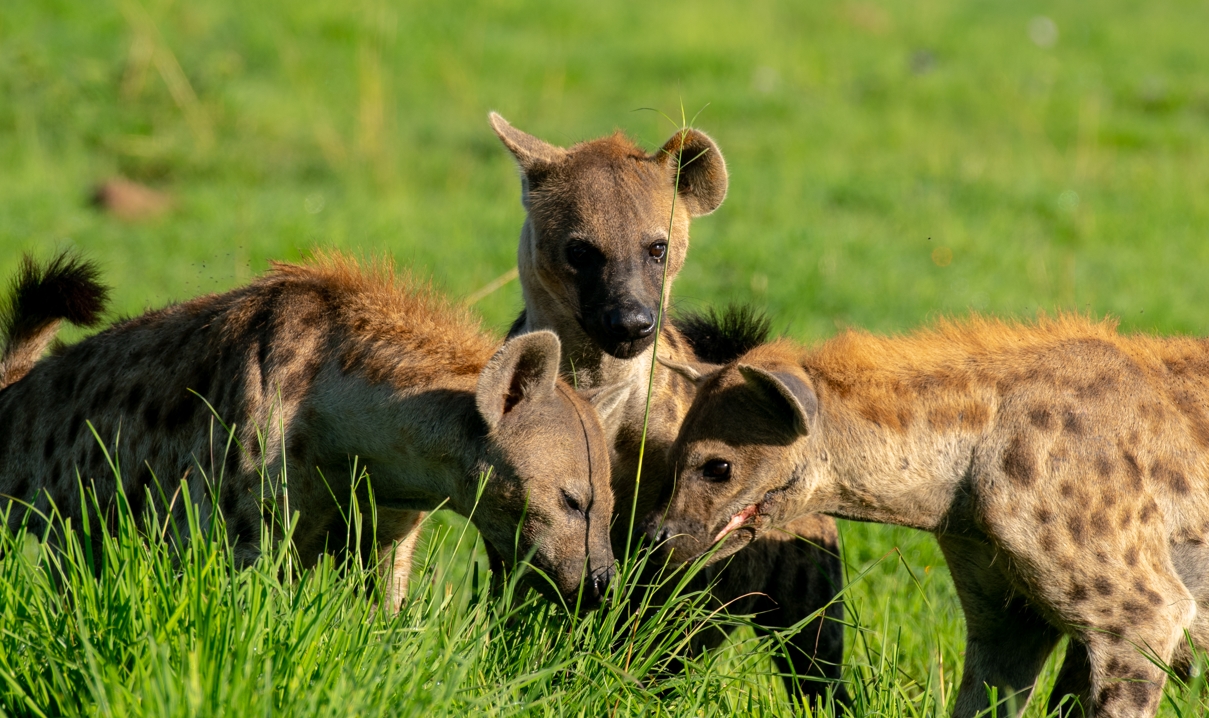
- Spotted Hyenas
- Striped Hyenas
- Serval Cats
- Jackals
3. Primates and Small Mammals
If you are looking for smaller mammals and primates, the reserve does not disappoint. Visitors frequently spot:
- Olive Baboons
- Vervet Monkeys
- Patas Monkeys
- Gunther’s Dik-dik (which is actually the most abundant mammal in the reserve)
- Oribi
- Waterbuck
- Uganda Kob
4. Reptiles
Matheniko is known for its impressive reptile population. The reserve is a known habitat for enormous rock pythons, venomous puff adders, and harmless water snakes. Larger lizards like the Savannah monitor can also be seen, along with agamas, chameleons, and geckos.
Birdwatching in Matheniko Game Reserve
For bird enthusiasts, Matheniko is a hidden gem. The reserve is home to over 200 bird species, including several that are endemic to the semi-arid Karamoja region.
Notable bird species to look out for include:
- Ostriches (a unique and spectacular sight)
- Abyssinian Ground Hornbill
- Eastern Bronze-napped Pigeon
- Egyptian Vulture
- African Hill Babbler
- Black-headed Plover
- Mountain Yellow Warbler
Top Things to Do in the Reserve
Visiting Matheniko Game Reserve requires a sense of adventure, as you will essentially be exploring true, untamed African wilderness. Here are the top activities to include on your itinerary:
1. Classic Game Drives
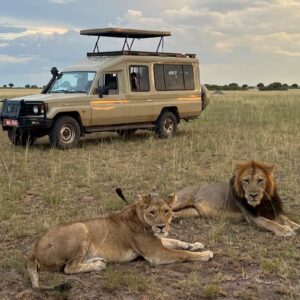
Exploring the reserve by 4×4 vehicle is the best way to track down the resident wildlife. Because tourist numbers are low, game drives are highly private and intimate. You will spend hours traversing the acacia woodlands and savannah plains looking for cheetahs, lesser kudu, and various antelopes.
2. Spot Hunting (Sport Hunting)
Managed sport hunting has become increasingly popular in Matheniko Game Reserve. This regulated activity is strictly controlled by the Uganda Wildlife Authority (UWA) in agreement with local community safaris. It is designed to benefit local conservation efforts and provide economic incentives to the nearby communities.
3. Hiking and Rock Climbing
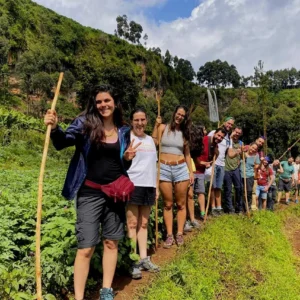
The Karamojong plateau is dotted with massive rocky outcrops, hills, and deep valleys. Hiking through these ancient, rocky terrains offers a rugged adventure quite different from scaling the lush slopes of the Rwenzori Mountains or Mount Elgon. The sweeping views from the top of the escarpment are breathtaking.
4. Exploring Ancient Rock Paintings
One of the most fascinating cultural and historical features in Matheniko is its collection of ancient rock paintings. Some of these historic artworks date back roughly 3,500 years. It is believed that early Nilotic and Kushite peoples created these paintings, which depict animals that roamed the region at the time. This provides a fascinating window into the history of human life and ecology in the Karamoja region.
5. Cultural Visits to the Karamojong People
A trip to Matheniko is incomplete without engaging with the indigenous Karamojong people. Long known for resisting modernization, the Karamojong are deeply traditional pastoralists who rely entirely on their livestock for sustenance.
Visiting a traditional manyatta (homestead) gives you an authentic look into their rich traditions, distinctive clothing, and vibrant beadwork. You can experience traditional dances that rival those of the Maasai, and purchase local handicrafts directly from the artisans.
6. Supporting Conservation and Beekeeping Projects
Just outside the reserve, in the Mount Moroto area, you can visit the Matheniko Community Conservation and Beekeeping Project. This initiative was set up to help local communities generate income without having to illegally extract resources from the reserve (such as cutting trees for firewood or burning charcoal). Visiting these projects supports eco-tourism and directly benefits the local people.
Best Time to Visit Matheniko
Matheniko Game Reserve is open to visitors all year round, but timing your visit is crucial to ensure a comfortable and accessible trip.
- The Dry Season (December to February & June to September): This is the best time to visit. The weather is hot and dry, and the dirt murram roads are solid and easy to navigate. Wildlife tends to congregate near the remaining water sources, making animals easier to spot.
- The Wet Season (April, May, & November): The reserve receives its rains during these months. While the park transforms into a lush, brilliantly green landscape, the roads can become extremely muddy, slippery, and occasionally impassable without a heavy-duty 4×4 vehicle.
- Right After the Rains: Many seasoned travelers consider the weeks immediately following the wet season the perfect time to visit. The park is incredibly green and beautiful, providing excellent photo opportunities, while the roads have dried out enough for comfortable travel.
Where to Stay in and Around Matheniko
There are currently no luxury lodges or permanent tented camps located directly inside Matheniko Game Reserve. Because of this, travelers must plan their accommodation based on their preferred style of travel:
1. Camping in the Reserve
For the ultimate off-the-grid wilderness experience, the Uganda Wildlife Authority maintains public campsites within the reserve. You will need to bring your own camping gear and food supplies, but the reward is complete privacy and a spectacular night sky.
2. Hotels and Guesthouses in Moroto Town
Many travelers prefer to base themselves in the nearby regional hub of Moroto Town. Moroto is just a short drive from the game reserve and offers various accommodation options, ranging from basic guesthouses to comfortable eco-camps, such as the popular Kara-Tunga Safari Camp. Staying in Moroto allows you to easily arrange day trips into the reserve while enjoying access to modern amenities and hot meals.
How to Get There
Getting to Matheniko Game Reserve requires a sturdy 4×4 vehicle and a good sense of direction.
- From Kampala: The drive takes approximately 7 to 9 hours, covering a distance of about 420 to 460 kilometers. The most common route takes you through Jinja, Iganga, Mbale, Soroti, and finally to Moroto Town. It is highly recommended to stay overnight in Moroto before heading into the reserve.
- From Kidepo Valley National Park: If you are already touring Kidepo, you can reach Matheniko by traveling roughly 120 kilometers via Kaboong. This is one of the most straightforward ways to access the reserve for travelers on an extended northern Uganda safari circuit.
Why Matheniko Represents the Future of Ugandan Tourism
In recent decades, the Karamoja region suffered from an image problem due to past conflicts and cattle rustling. However, the return of peace and the recent discovery of gold in the region have put a positive, renewed focus on the area.
The Uganda Wildlife Authority (UWA) is actively revamping the infrastructure and working to boost visitor numbers. With its massive, unspoiled landscapes and unique, rare animal populations, Matheniko is rapidly becoming a magnet for travelers who want to experience raw, untouched Africa. Over the coming decades, it is highly likely that Matheniko, alongside Bokora and Pian Upe, will rival the famous parks of Kenya and Tanzania in both size and safari quality.
Travel Tips for Matheniko
To make the most of your safari in this remote corner of Uganda, keep these essential travel tips in mind:
- Pack Plenty of Water: Due to the semi-arid climate, the heat can be intense. Always carry plenty of drinking water with you on game drives and hikes.
- Hire a Local Guide: Navigating the reserve and spotting the scattered, well-camouflaged wildlife can be challenging. Always hire an experienced, local UWA-affiliated guide or ranger to maximize your chances of seeing the animals.
- Bring Cash: In remote towns like Moroto, ATMs can sometimes run out of cash or be unavailable. Make sure to carry sufficient Ugandan Shillings for park fees, tips, and local crafts.
- Dress for the Environment: Pack lightweight, breathable clothing, but also bring a hat, sunglasses, and sunscreen to protect yourself from the harsh sun. A warm fleece or jacket is also highly recommended for the chilly, breezy early mornings and evenings.
- Combine Your Trip: Because Matheniko is more sparsely populated with wildlife compared to major national parks, it is best combined with a visit to the nearby Kidepo Valley National Park, Pian Upe Game Reserve, or Mount Elgon. This ensures you get a diverse mix of landscapes, animals, and cultural experiences.
Conclusion Matheniko Game Reserve is a breathtaking, remote, and highly rewarding destination in Uganda. It is a paradise for travelers who wish to step away from the traditional tourist trails and experience a truly wild African savannah. Whether you are hoping to spot a cheetah racing across the arid plains, marvel at ancient rock paintings, or spend a night under the stars, Matheniko offers an unforgettable adventure. Add it to your Uganda travel bucket list for an authentic and off-the-path safari.