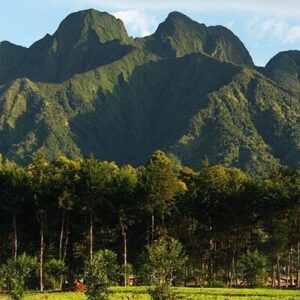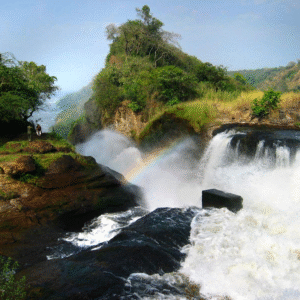
Mweya Peninsula is one of the most scenic and wildlife-rich sectors of Queen Elizabeth National Park, making it a must-visit destination on any Uganda safari. Located in Kasese District within the Rwenzururu sub-region, Mweya Peninsula lies on the northern bank of the Kazinga Channel, the natural waterway linking Lake Edward and Lake George in the Western Rift Valley. Interestingly, Lake Edward also forms part of the international boundary between Uganda and the Democratic Republic of Congo.
Mweya Peninsula is approximately 55 km southwest of Kasese town and about 400 km from Kampala, Uganda’s capital. Due to its central location and rich biodiversity, Mweya is among the most visited areas in Queen Elizabeth National Park.
History of Mweya Peninsula
Historically, Mweya Peninsula was once a human settlement dating back over 50,000 years. The first recorded European explorer to reach Mweya was Henry Morton Stanley in July 1889. At the time, thick smoke from bush-clearing fires covered the area, making it appear deserted. Despite this, Mweya reportedly had over 80 huts and livestock, including goats and sheep.
Later, in 1891, when Frederick Lugard visited the area, the settlement had already been abandoned. This relocation was largely due to the Rinderpest outbreak, which devastated livestock and forced communities to move. In 1952, the area was gazetted as a protected wildlife reserve and renamed Queen Elizabeth National Park in honor of Queen Elizabeth II following her visit to Uganda.
Today, Mweya village has a growing local population and plays a vital role in tourism and conservation within the park.
Landscape and Vegetation
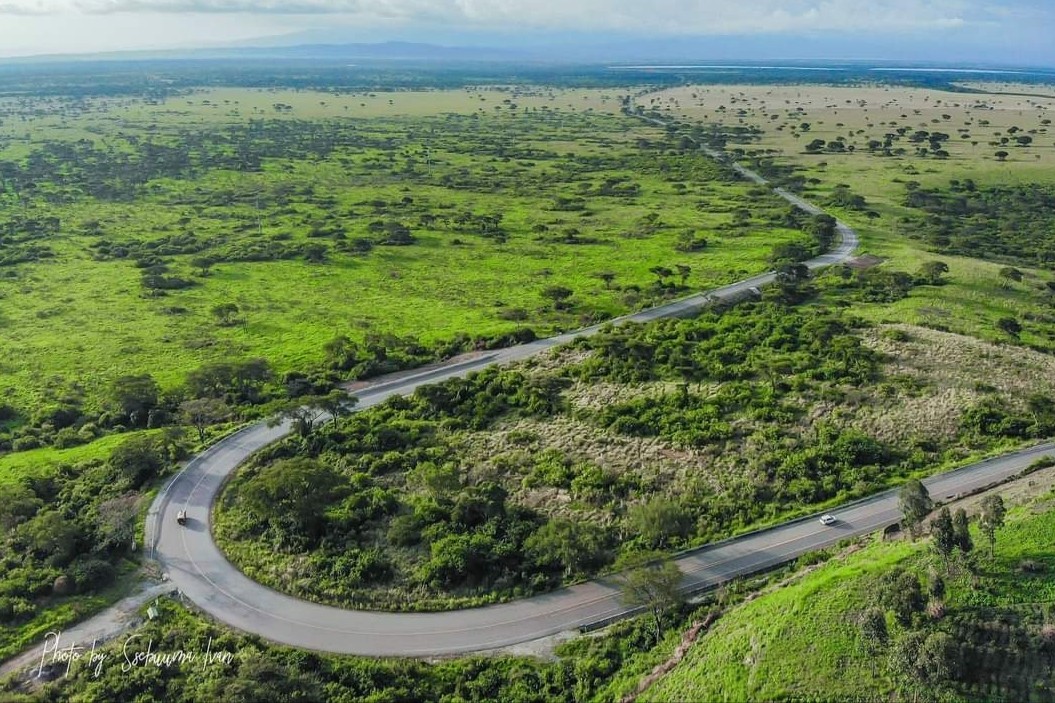
Mweya Peninsula features open savannah grasslands interspersed with candelabra euphorbia trees, thorny bushes, and dense vegetation. Well-maintained game tracks, such as the Channel Track connecting to Katunguru and Kabatoro Gates, offer excellent wildlife viewing opportunities. However, due to thick vegetation, game drives are best enjoyed with a professional safari guide who knows the terrain well.
Queen Elizabeth National Park is home to over 95 mammal species and more than 600 bird species, making it an Important Birding Area (IBA) of international significance.
Attractions in Mweya Peninsula
Wildlife Viewing
Mweya Peninsula supports a wide variety of wildlife, including elephants, buffaloes, leopards, lions, warthogs, bush pigs, giant forest hogs, antelopes, and hyenas. The dense vegetation also makes the area ideal for spotting nocturnal animals, especially leopards.
Nearby Maramagambo Forest hosts several primate species such as blue monkeys, red-tailed monkeys, olive baboons, black-and-white colobus monkeys, and pottos. Reptiles found in the area include Nile crocodiles, pythons, and other snake species.
Birdlife
Mweya Peninsula is a birdwatcher’s paradise, with species such as African skimmers, flamingos, papyrus gonoleks, African fish eagles, and pied kingfishers commonly sighted along the Kazinga Channel.
Maramagambo Forest
Located partly in Bushenyi District, Maramagambo Forest is known for its bat caves, primates, forest mammals, and guided nature walks that explore its rich flora and fauna.
Kazinga Channel
The 32-km Kazinga Channel is one of the park’s main highlights. It supports large populations of hippos, crocodiles, elephants, buffaloes, and numerous water birds, including shoebills and flamingos.
Activities in Mweya Peninsula
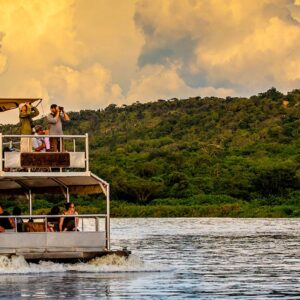
Boat Cruise on Kazinga Channel
Boat cruises operate daily in the morning and afternoon. These cruises offer close-up views of wildlife along the waterbanks. Cruises are operated by Uganda Wildlife Authority and Mweya Safari Lodge, using comfortable boats such as the Sunbird and Kingfisher. The experience lasts about 2 hours and costs approximately USD 30 per person.
Game Drives
Game drives are conducted early in the morning and late in the afternoon when animals are most active. Despite the dense vegetation, visitors can spot hyenas, leopards, buffaloes, elephants, and warthogs with the help of experienced guides.
Mongoose Tracking
Mweya Peninsula is famous for banded mongoose tracking, a unique research-based activity led by guides and scientists. The experience lasts about 3 hours and offers insights into mongoose behavior, alongside sightings of birds and other wildlife.
Community Walks
Community tours around Mweya Village allow visitors to interact with locals, learn about traditional lifestyles, and experience daily activities, promoting cultural exchange and community tourism.
Forest Nature Walks
Guided forest walks through Maramagambo Forest introduce visitors to medicinal plants, birdlife, primates, and other forest attractions.
Visitor Guidelines
-
Do not feed or chase wildlife
-
Maintain silence during activities
-
Follow your guide’s instructions at all times
-
Do not litter within the park
-
Carry a camera, binoculars, and extra batteries
How to Get to Mweya Peninsula
By Air
Scheduled and charter flights operate from Entebbe International Airport or Kajjansi Airfield to Mweya Airstrip via domestic airlines such as Aerolink.
By Road
Driving from Kampala takes approximately 7–8 hours, passing through Mbarara and Kasese, with Mweya located about 20 km off the main road.
Where to Stay in Mweya Peninsula
Accommodation options include:
-
Mweya Safari Lodge
-
Jacana Safari Lodge
-
Hippo Hill Safari Lodge
-
Mweya Hostels and Cottages
Best Time to Visit Mweya Peninsula
Mweya Peninsula can be visited year-round. However, the dry seasons (December–February and June–September) are ideal due to better road conditions, easier wildlife viewing, and improved photography opportunities.