
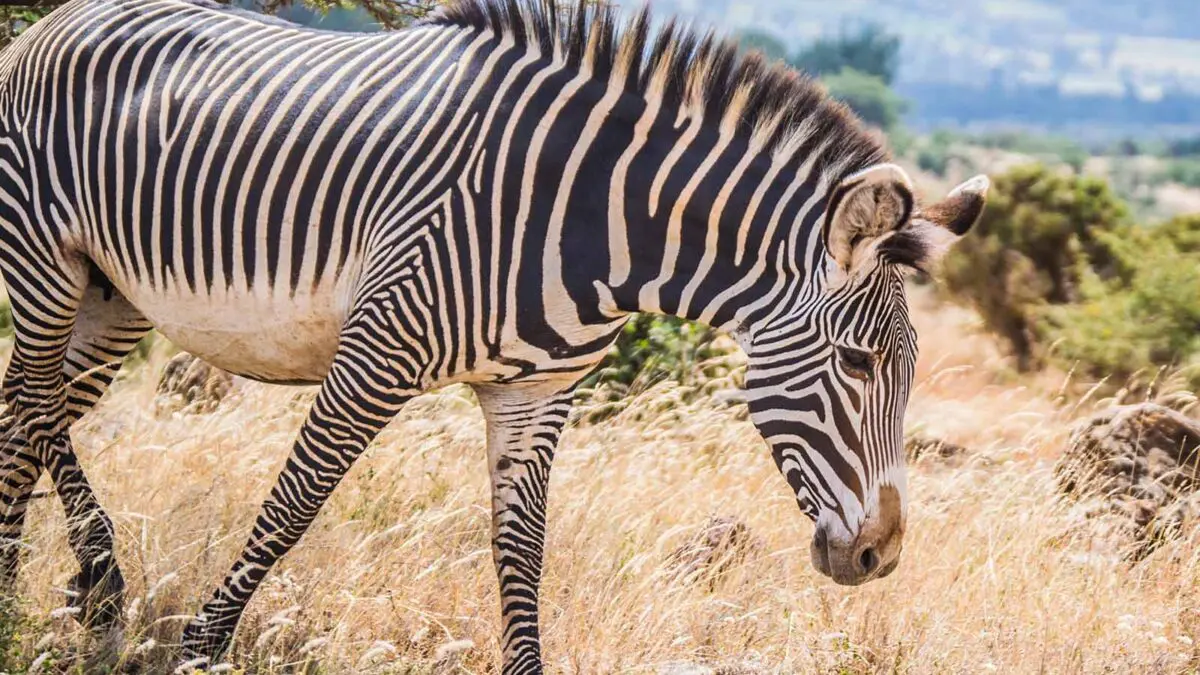
Lake Mburo National Park is Uganda’s smallest and most accessible savanna national park, located a convenient 3.5 to 4-hour drive from Kampala. Renowned as the “Home of Zebras,” it is the only park in Uganda where you can spot impalas. It is also one of the few places offering walking and horseback safaris.
Introduction to Lake Mburo National Park
Covering an area of 370 square kilometers, Lake Mburo National Park is a compact gem nestled in the Kiruhura District of western Uganda. Situated along the main highway connecting Kampala to the country’s western national parks, it serves as a perfect stopover or a standalone weekend getaway. The park’s landscape is defined by rolling hills, ancient Precambrian rocks, rich acacia woodlands, lush grassy valleys, and a spectacular wetland system comprising 13 connected lakes.
Despite its smaller size compared to giants like Murchison Falls or Queen Elizabeth, Lake Mburo boasts an impressive and unique biodiversity. It is a predator-free haven for wildlife viewing, offering an intimate and highly personalized safari experience without the bustling crowds of larger parks.
A Brief History and Conservation
Originally gazetted as a controlled hunting area in the 1930s, the region was later upgraded to a game reserve in the 1960s before officially becoming a national park in 1983. Historically, the land was fiercely protected by the pastoralist Bahima people who coexisted with the wildlife and their famous Ankole long-horned cattle.
The park’s ecology thrives due to its location in a rain shadow between Lake Victoria and the Rwenzori Mountains, resulting in a unique mosaic of habitats. Over 20% of the park is covered by wetlands, making it a critical sanctuary for swamp-dwelling wildlife. Furthermore, the park is deeply integrated with its surrounding communities. Local initiatives, such as sport hunting programs and revenue sharing, ensure that the conservation of Lake Mburo directly benefits the indigenous populations.
Unique Attractions: What Makes It Special?
Lake Mburo National Park is distinguished by several key features that set it apart from other tourist destinations in the Pearl of Africa.
1. The Home of Zebras and Impalas
Lake Mburo is celebrated for hosting the highest concentration of Burchell’s zebras in Uganda, with populations estimated at thousands. It is also the only national park in the country where you can see the elegant impala, a medium-sized antelope after which the capital city, Kampala, is named.
2. The Predator-Free Advantage
Unlike other parks, Lake Mburo is completely free of lions and elephants. While leopards are present but elusive, the absence of apex predators allows for incredible freedom in how you explore. Visitors can freely embark on walking safaris, cycling trails, and horseback rides without the threat of dangerous encounters, creating an unmatched sense of immersion in the African wild.
3. Giraffe Translocation
In 2015, Lake Mburo welcomed a translocation of Rothschild’s giraffes from Murchison Falls National Park. Today, a thriving population of nearly 60 giraffes roams the acacia woodlands, offering fantastic photography opportunities as they graze against the scenic backdrop of the lake.
4. Incredible Birdlife
With over 350 recorded bird species, Lake Mburo is a paradise for birdwatchers. The park’s diverse ecosystems, ranging from acacia woodlands to permanent papyrus swamps, support a wide array of avian life. Birders can spot colorful species such as the African fish eagle, blue-headed weavers, and the rare shoebill stork.
Top Tourist Activities in the Park
Lake Mburo offers a delightful array of activities that keep visitors engaged and immersed in the environment.
1. Game Drives
Game drives are a classic safari staple and can be enjoyed early in the morning or late in the afternoon. The park has a well-maintained network of dirt roads that meander through the savanna and acacia woodlands. During a game drive, you can expect to spot zebras, giraffes, elands (the world’s largest antelope), buffaloes, topi, warthogs, and defassa waterbucks.
2. Night Game Drives
For the adventurous, night game drives offer a thrilling opportunity to see the park in a completely different light. Guided by an armed Uganda Wildlife Authority (UWA) ranger, nocturnal drives allow you to spot elusive night-dwelling animals such as leopards, side-striped jackals, bushbabies, porcupines, and white-tailed mongooses.
3. Boat Safaris
Taking a boat cruise on the tranquil waters of Lake Mburo is a relaxing and highly rewarding experience. The boat trips provide an excellent vantage point to view aquatic life, including basking crocodiles and a large population of hippos. You will also see numerous water birds perched along the papyrus-lined shores, such as the elusive African finfoot, herons, and cormorants.
4. Walking Safaris
Lake Mburo National Park is widely considered the best location in Uganda for walking safaris. Guided by an armed ranger, you can explore the wilderness on foot, getting up close to the park’s flora and fauna. This intimate experience allows you to notice small details—like animal tracks and insect life—while enjoying the peaceful silence of the bush.
5. Horseback Riding
Offered only at Lake Mburo in Uganda’s national parks, horseback safaris provide a magical and unique perspective on wildlife viewing. Riding quietly through the savanna, you can approach animals like zebras and elands closely, as they often do not view horses as a threat. Guided rides are available for both beginners and experienced riders and can range from one-hour treks to overnight adventures.
6. Cycling Safaris
Cycling safaris offer an exciting and challenging thrill for adventure enthusiasts. Guided by an experienced ranger, you can ride your mountain bike along the park’s uneven terrain and rocky ridges. This activity brings you directly into the wild, allowing you to cycle past grazing antelopes, buffaloes, and warthogs.
7. Sport Fishing
Lake Mburo features five lakes, with Lake Mburo itself being a prime spot for sport fishing. Using a hook-and-line method, visitors can spend a serene few hours on the water fishing for tilapia, lungfish, and mudfish. It is an excellent way to unwind and can be combined with other aquatic viewing activities.
8. Rubanga Forest Walk
Hidden in the western part of the park lies the small but fascinating Rubanga Forest. This lush forest canopy offers an excellent nature walk for birders and botanists. It is home to a variety of forest birds and is part of the extensive wetland ecosystem that sustains the park.
Cultural Experiences and Local Attractions
Lake Mburo National Park goes beyond wildlife; it also offers a rich cultural tapestry.
1. Ankole Cattle Farming Tours
The region surrounding the park is home to the Bahima people, who are renowned for herding the majestic Ankole long-horned cattle. Visitors can participate in community tours to learn about traditional cattle farming. You can watch the herdsmen manage the cattle, try your hand at milking, and learn how local ghee and yogurt are produced.
2. Igongo Cultural Centre
Located just outside the park boundaries along the Mbarara-Masaka highway, the Igongo Cultural Centre is a premier destination for history and culture. It features an impressive museum that showcases the history, traditions, and artifacts of the ethnic groups of western and southwestern Uganda. The center also offers a fantastic restaurant where you can sample traditional local dishes.
Where to Stay in Lake Mburo National Park
Lake Mburo National Park offers a wide range of accommodation options to suit every budget, ranging from luxury lodges to budget-friendly campsites.
1. Luxury Accommodations
- Mihingo Lodge: An eco-luxury lodge built on rocky outcrops, offering spectacular, panoramic views of the savanna. It features an infinity pool and offers customized horseback and walking safaris directly from the property.
2. Mid-Range Accommodations
- Rwakobo Rock: Situated on a massive granite outcrop, this lodge offers cozy, thatch-roofed cottages and breathtaking views of the park’s rolling hills. It is celebrated for its warm hospitality and sustainable practices.
- Mburo Safari Lodge: Located near the park boundary, this lodge provides comfortable raised wooden cottages with private balconies overlooking the wilderness.
3. Budget Accommodations
- Eagles Nest Camp: Situated just outside the Nshara Gate, this tented camp offers stunning views of the park. It provides a true “back-to-nature” experience with comfortable tents and communal campfire areas.
- UWA Campsites: The Uganda Wildlife Authority manages budget campsites inside the park, including the popular Leopard Rest Camp. These offer a rustic, immersive experience for those traveling with camping gear.
Best Time to Visit Lake Mburo National Park
Lake Mburo National Park can be visited all year round, but the optimal time for a safari depends on your specific interests.
1. The Dry Season (January to March & June to September)
The dry seasons are widely considered the best time for game viewing. During these months, vegetation is thinner, and animals tend to congregate around water sources like Lake Mburo, making them much easier to spot. The dirt game tracks are also dry and easily passable.
2. The Wet Season (March to May & October to November)
The wet season transforms the park into a lush, green oasis. While some game tracks can become muddy and slippery, the vibrant landscapes are stunning. The wet season is the absolute best time for bird watching, as migrant bird species are present and nesting activities are at their peak.
How to Get to Lake Mburo National Park
Lake Mburo is incredibly accessible, making it highly convenient for all types of travelers.
1. By Road
The park is located approximately 240 kilometers west of Kampala. The journey typically takes about 3.5 to 4 hours, depending on traffic, along the well-paved Kampala-Masaka-Mbarara highway.
- Nshara Gate: Most visitors arriving from Kampala turn off at the Lyantonde trading center and use the Nshara Gate, which takes about 3.5 hours.
- Sanga Gate: Alternatively, you can turn off at Sanga trading center (about 35 km before Mbarara) to use the Sanga Gate, which also takes around 4 hours.
2. By Air
For those who prefer a quicker transit, chartered and scheduled domestic flights are available from Entebbe International Airport or Kajjansi Airfield to the Mbarara Airstrip. From Mbarara, you can take a short 45-minute road transfer to the park headquarters.
Essential Tips for Your Safari
To make the most of your trip to Lake Mburo National Park, keep the following travel tips in mind:
- Park Entry Fees: Foreign non-residents are required to pay a conservation fee, which is currently set at $40 per adult for a 24-hour stay. There are additional costs for specialized activities like nature walks, boat cruises, and night game drives.
- What to Pack: Pack lightweight, neutral-colored clothing for game drives. Be sure to bring a sturdy pair of walking shoes for nature walks, a wide-brimmed hat, sunscreen, insect repellent, and a good pair of binoculars for bird watching.
- Hire a Guide: While you can do self-drive safaris in Lake Mburo, hiring an official UWA guide or utilizing a local tour guide is highly recommended. Guides know the park’s layout and animal habits, greatly increasing your chances of spectacular wildlife sightings.
- Vehicle Suitability: A 4×4 vehicle is recommended, especially if you plan to travel during the wet season when some tracks can get muddy.
- Respect the Wildlife: Always maintain a safe distance from wild animals, especially when doing walking or horseback safaris. Follow the instructions of your guides and rangers at all times.
Final Thoughts on Lake Mburo National Park
Lake Mburo National Park offers a serene, intimate, and diverse safari experience that provides a refreshing contrast to Uganda’s larger national parks. Whether you are a wildlife enthusiast eager to see massive herds of zebras, an adventurous traveler looking to explore the bush on horseback or by mountain bike, or a birder searching for rare species, Lake Mburo has something special for you. Its convenient accessibility, rich cultural heritage, and stunning landscapes make it a must-visit destination on any Ugandan safari itinerary. Plan your trip, embrace the whispers of the wild, and discover the hidden gem of western Uganda.
If you are currently planning your trip to Uganda, tell me:
- What is your preferred time of year to travel?
- Are you interested in a self-drive adventure or a guided tour?
Muganzi Safaris plan the perfect Lake Mburo safari itinerary.